
Athens is one of those cities where the best moments often don’t cost a thing. From ancient sites and leafy hills to seaside walks and modern cultural spaces, there’s always something to explore — for free.
I’ve lived in Athens for years, and I still find new corners that surprise me — quiet monasteries, open-air art, panoramic viewpoints, and even beaches you can reach by tram. Whether you’re visiting on a budget or simply love discovering authentic experiences, these are my favorite free things to do in Athens, loved by both visitors and locals.

Want to see these places come to life?
Watch my YouTube videos “Free Things to Do in Athens” and “Hidden Free Gems in Athens” for real footage, local tips, and more ideas for exploring the city without spending a cent.
- Free Things to Do in Athens – 16 Experiences You’ll Love
- Plan Your Trip to Greece – Like a Local
- 2. Get Lost in Anafiotika – Athens’ Secret Island Neighborhood
- 3. Stroll Through the National Garden & Zappeion Hall
- 4. See Hadrian’s Arch – Where Ancient Athens Meets Rome
- 5. Climb Philopappou Hill – The Best View of the Acropolis
- 6. Watch the Sunset from Lycabettus Hill
- 7. Admire the Athenian Trilogy
- 8. Step Inside Athens’ Historical Churches
- 9. Discover the Street Art Scene
- 10. See Antiquities Inside Athens’ Metro Stations
- 11. Visit the Benizelos Mansion – The Oldest House in Athens
- 12. Visit the Daphni Monastery – A UNESCO Treasure Near Athens
- 13. Relax at the Diomedes Botanical Garden
- 14. Explore the Stavros Niarchos Foundation Cultural Center (SNFCC)
- 15. Swim at the Free Beaches of the Athenian Riviera
- 16. Take Advantage of Free Admission Days
Free Things to Do in Athens – 16 Experiences You’ll Love
1. Watch the Changing of the Guard at Syntagma Square
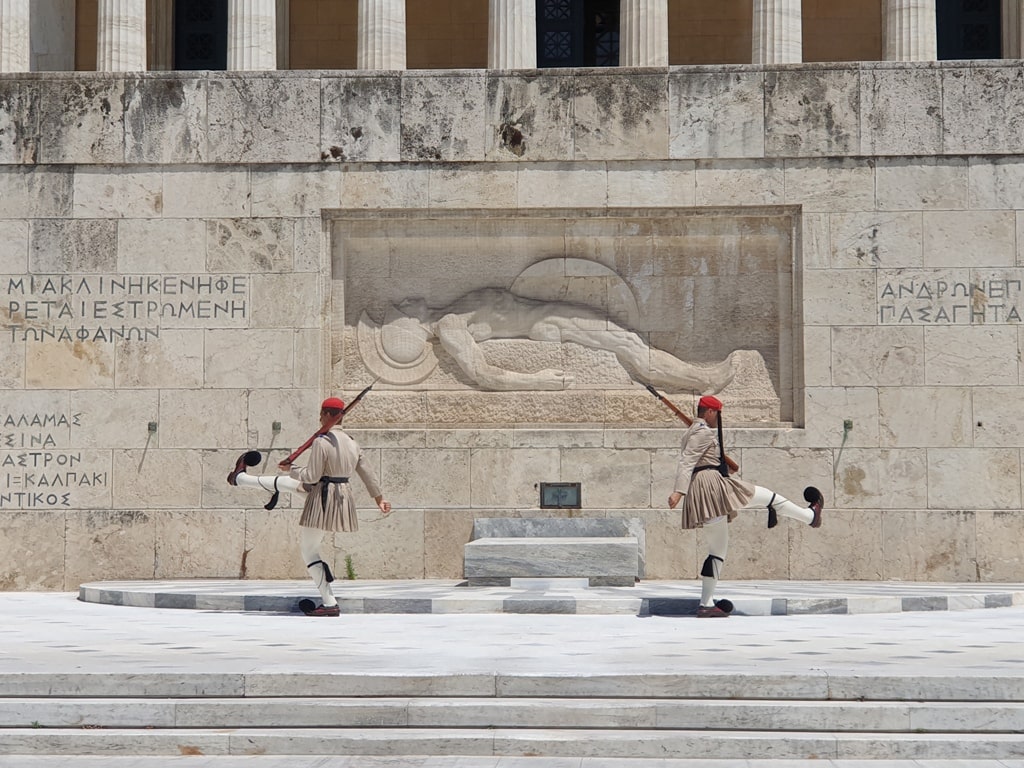
If there’s one free experience that feels truly iconic, it’s watching the Changing of the Guard in front of the Greek Parliament at Syntagma Square. It’s right in the center of Athens, so you’ll probably pass by at some point — and it’s absolutely worth stopping for a few minutes to watch.
The guards, known as Evzones, stand before the Tomb of the Unknown Soldier, dressed in traditional uniforms featuring the white fustanella — a pleated kilt with 400 folds, symbolizing the years of Ottoman occupation. Their shoes, called tsarouchia, have heavy wooden soles with metal studs that strike the pavement in rhythm — a sound said to awaken the ancestors.

The ceremony happens every hour, 24 hours a day, but the most impressive one takes place on Sundays at 11:00 a.m., with the full military band and formal parade. It’s solemn, precise, and moving — one of those experiences that quietly connects the modern city to its deep traditions.
Local tip: Arrive 15–20 minutes early on Sunday to get a good spot for photos; it gets busy fast.
2. Get Lost in Anafiotika – Athens’ Secret Island Neighborhood
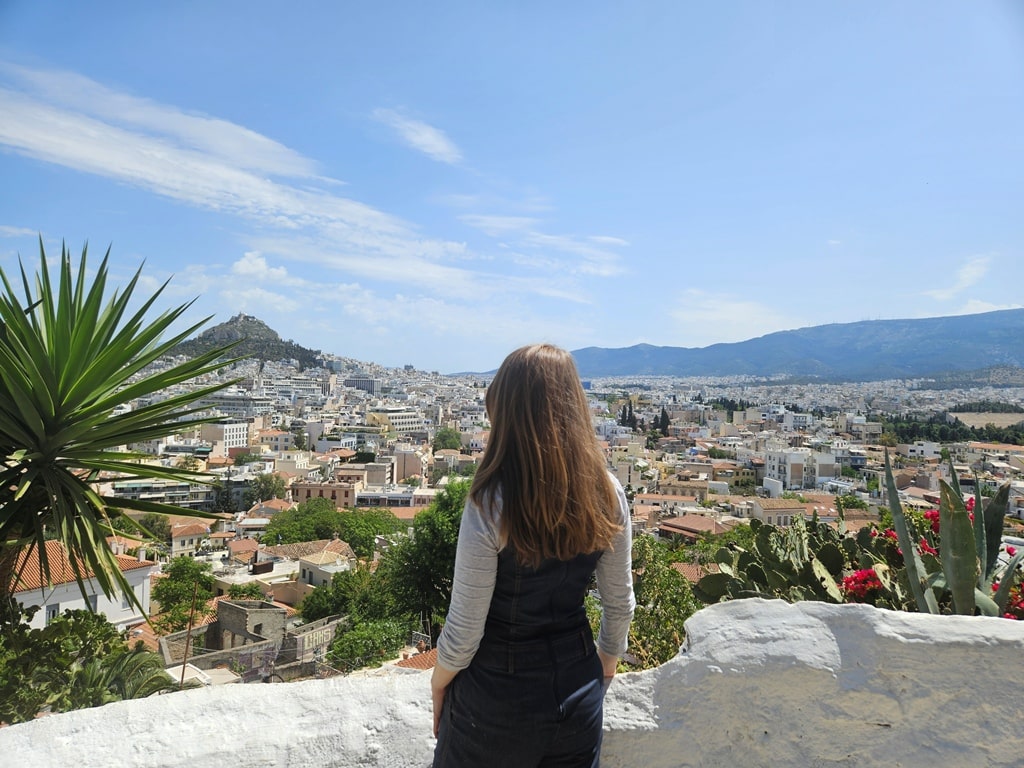
Just below the Acropolis lies one of the city’s most magical places — Anafiotika, a tiny neighborhood that feels like it’s been transported straight from the Cyclades. Whitewashed houses, narrow alleyways, flower-filled courtyards, and sleepy cats — it’s hard to believe you’re still in the middle of Athens.
The story behind Anafiotika makes it even more special. It was built in the 19th century by craftsmen from the island of Anafi, who came to Athens to help construct the new capital. Homesick for their island, they built small houses in the same Cycladic style — and that’s how this hidden village came to be.
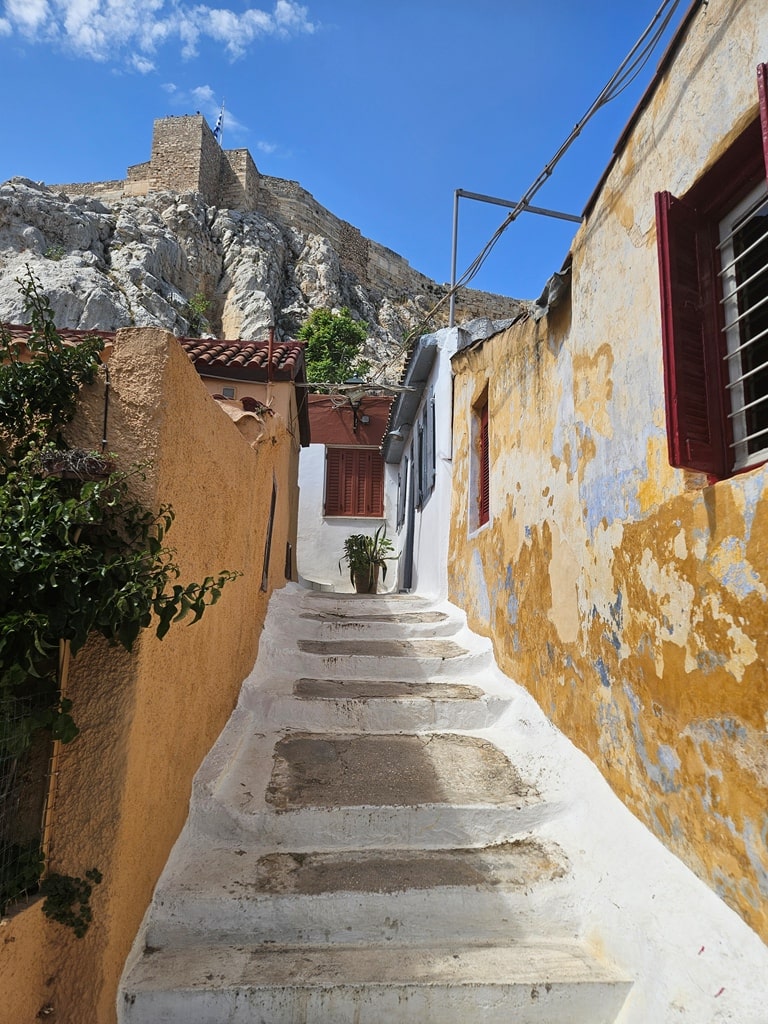
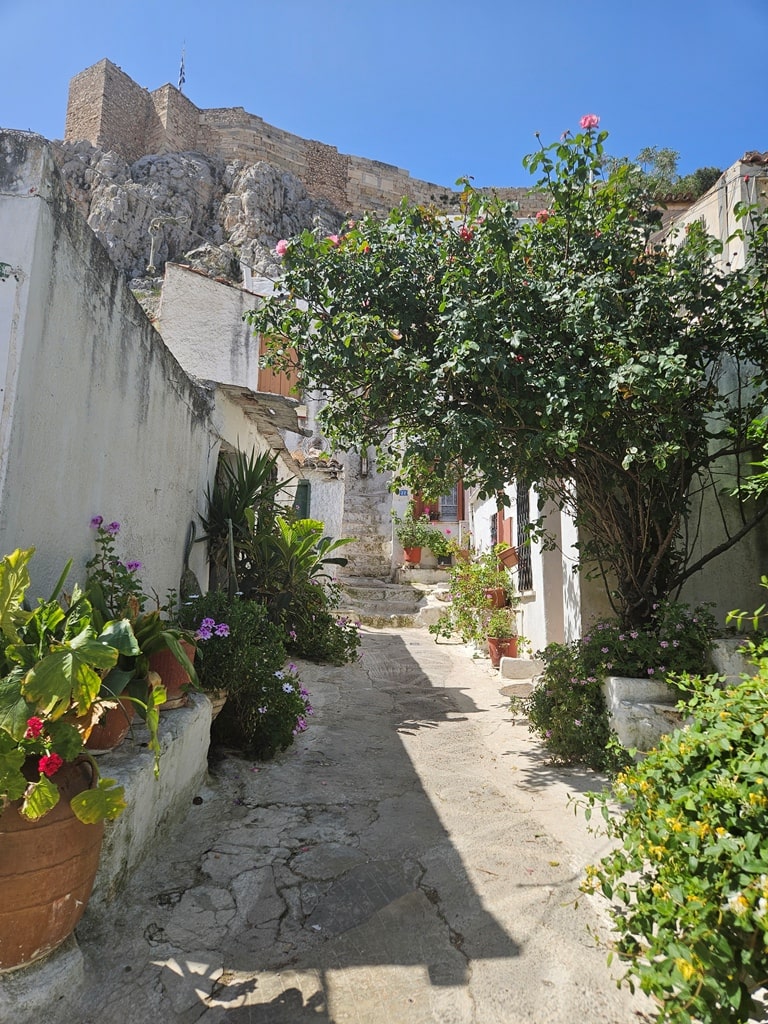
Wandering through Anafiotika is like stepping into another world. There are no shops, no cars, just quiet corners and views of the city below. It’s especially beautiful in the early morning or late afternoon when the light softens and the lanes glow golden.
Local Tip: Please remember that this is a residential area, so keep your voice low and respect the locals’ privacy while taking photos.
3. Stroll Through the National Garden & Zappeion Hall
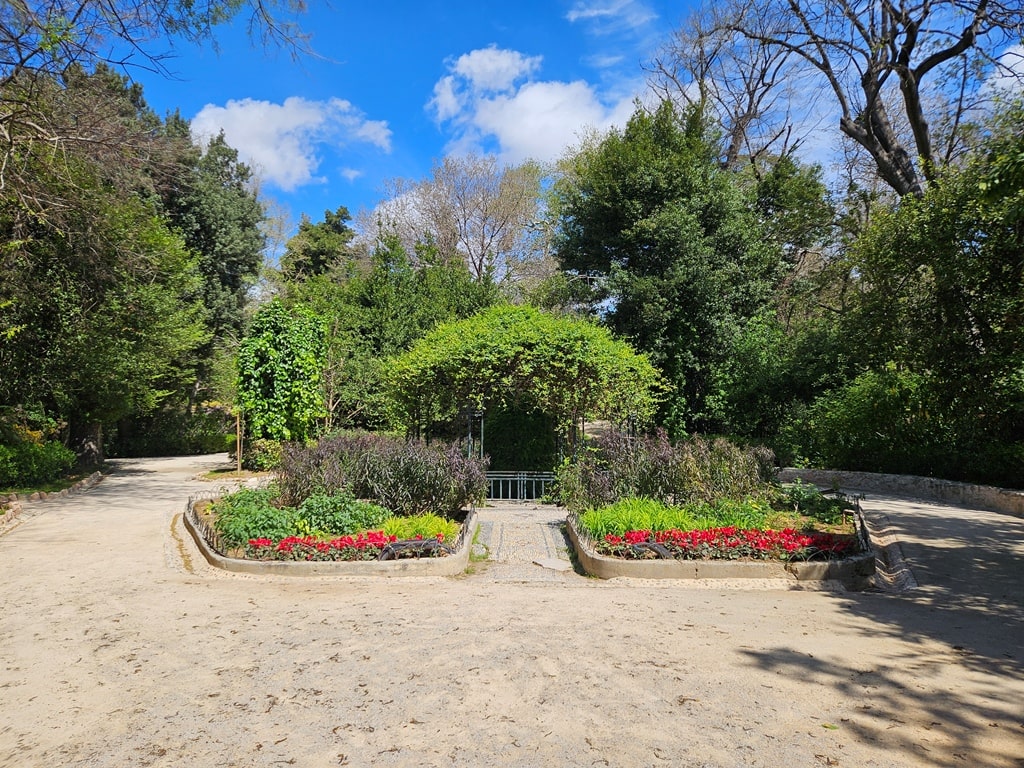
Right next to Syntagma Square, the National Garden is one of the most peaceful places in the city — a green oasis in the very heart of Athens. Once the private garden of Greece’s first royal family, it was designed by Queen Amalia in the 19th century, who loved to spend her mornings walking under its shady paths.
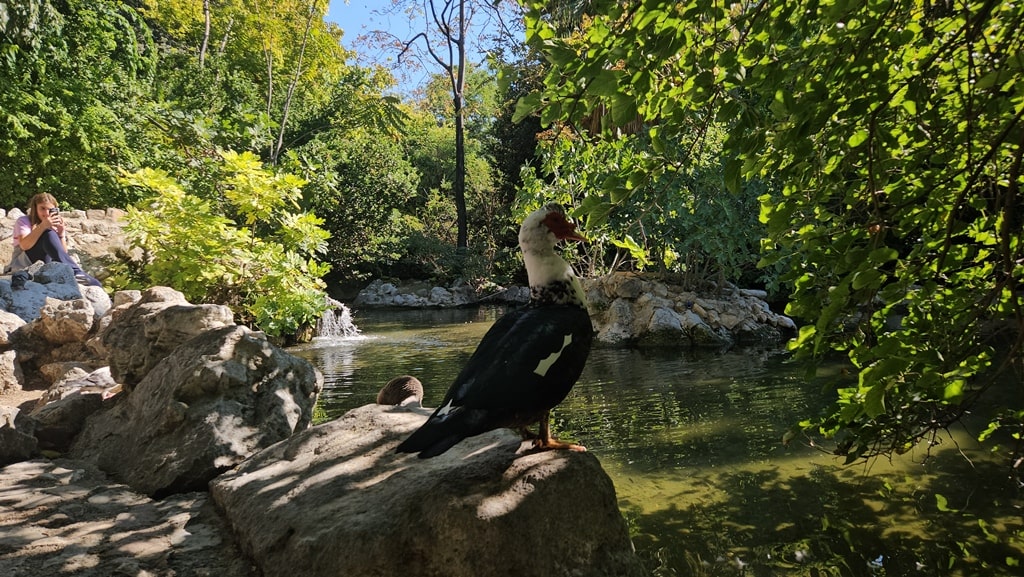
Today, it’s open to everyone and perfect for a quiet stroll or a short break between sightseeing stops. You’ll find winding paths, gazebos, small ponds with turtles, and plenty of benches hidden under the trees. It’s also a lovely spot to cool off on a hot summer afternoon.
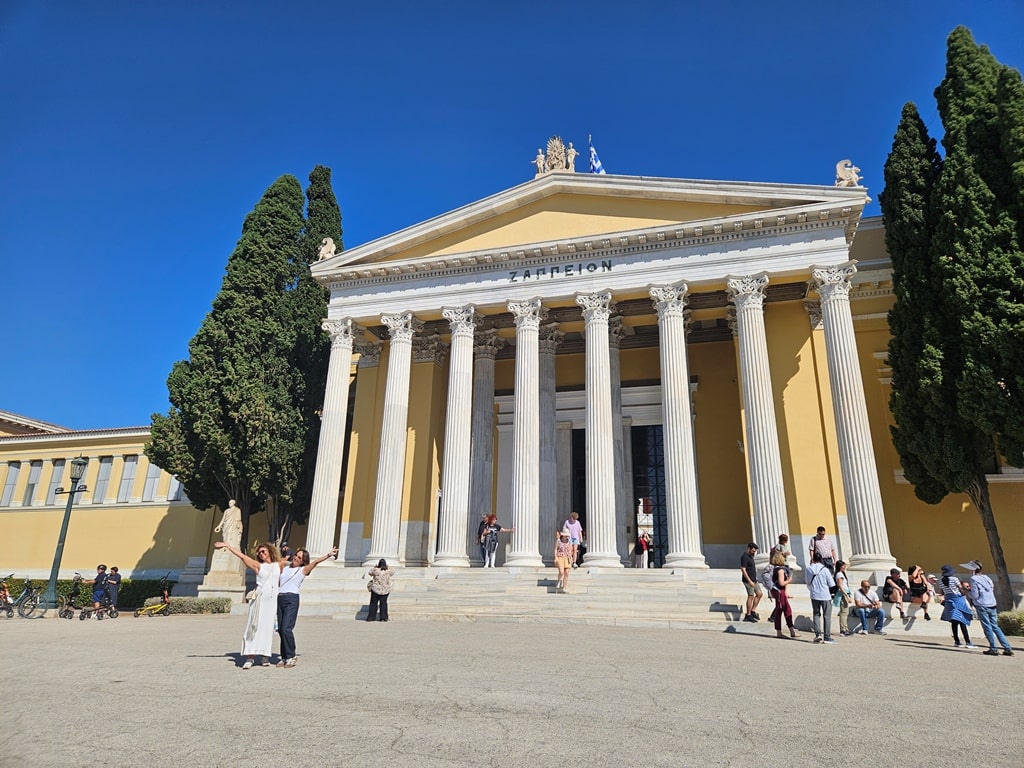
Inside the garden stands the elegant Zappeion Hall, a grand neoclassical building originally built for the first modern Olympic Games in 1896. Even from the outside, it’s stunning — with tall columns, marble details, and a circular courtyard that often hosts exhibitions and events.
4. See Hadrian’s Arch – Where Ancient Athens Meets Rome
Just a short walk from the Zappeion Hall and the Temple of Olympian Zeus, you’ll find one of Athens’ most striking monuments — Hadrian’s Arch. Built in the 2nd century AD, it marked the symbolic gateway between ancient Athens and the new city that the Roman Emperor Hadrian helped to develop.
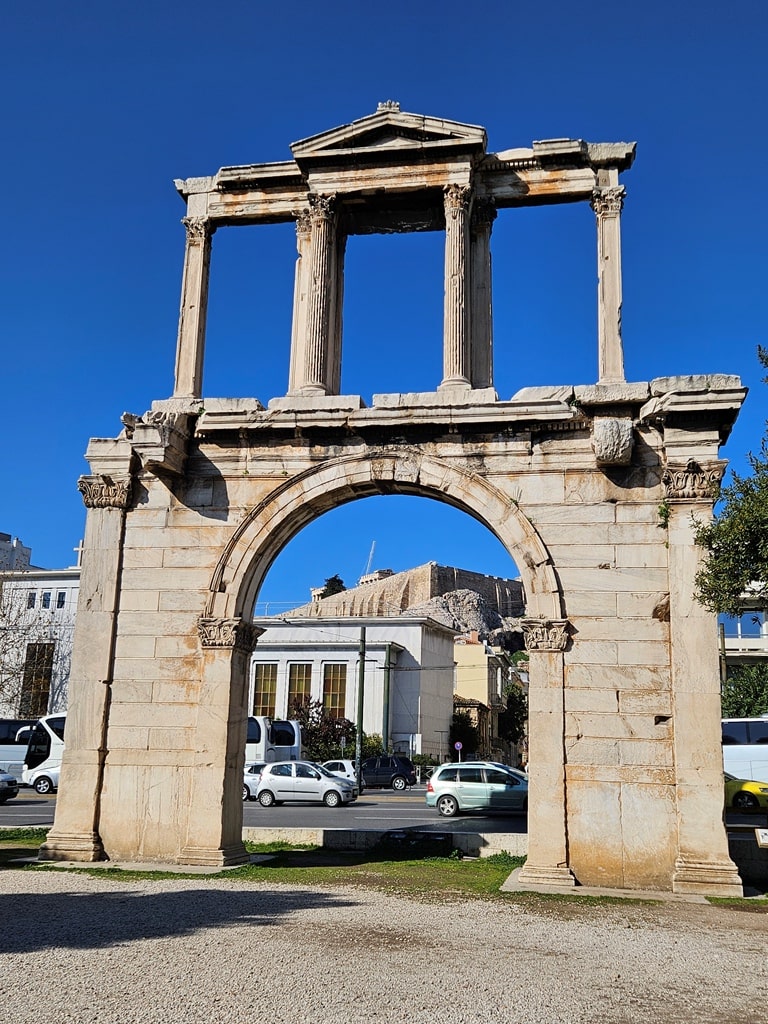
The marble arch rises dramatically beside busy Amalias Avenue, blending ancient history with modern city life. You can walk right up to it — no ticket needed — and admire the fine details of its Corinthian columns. It’s especially beautiful in the late afternoon when the light hits the marble and the Acropolis appears in the background.
5. Climb Philopappou Hill – The Best View of the Acropolis

For one of the most unforgettable views in Athens, head to Philopappou Hill. Just across from the Acropolis, it’s a peaceful green hill with stone-paved paths, wild olive trees, and some of the best photo spots in the city.
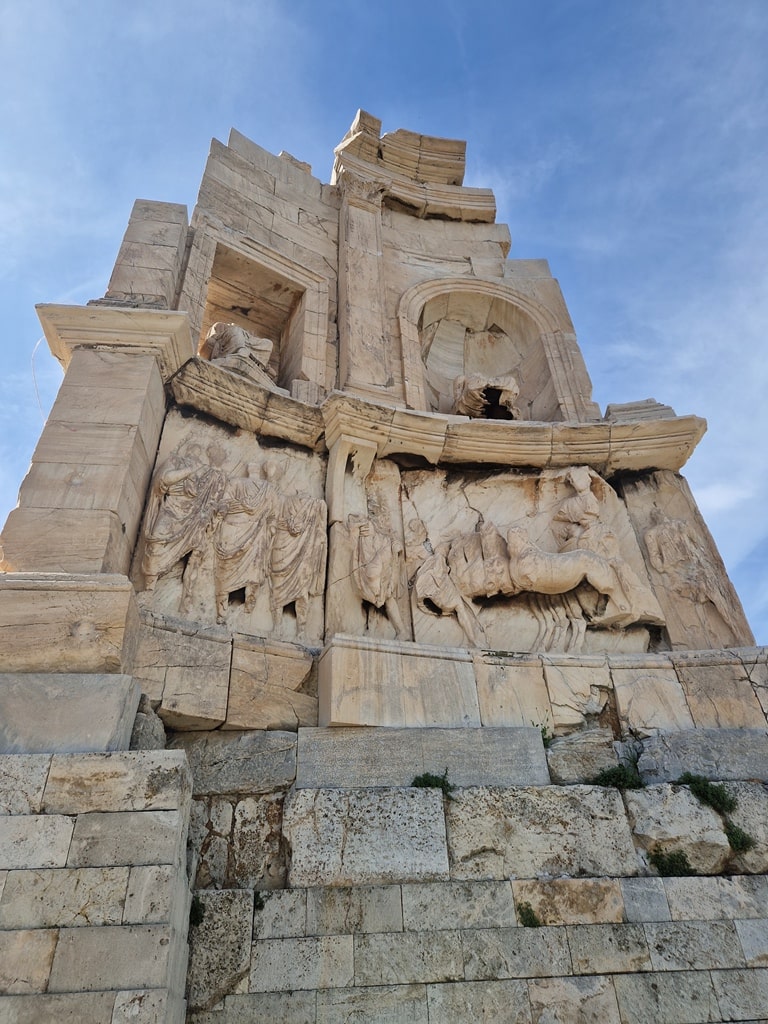
As you walk up, you’ll pass ancient ruins, quiet viewpoints, and the Philopappou Monument, a marble tomb built in the 2nd century AD for a Roman prince who became an honorary citizen of Athens. From the top, the Acropolis feels close enough to touch — especially beautiful at sunset, when the marble temples glow golden.
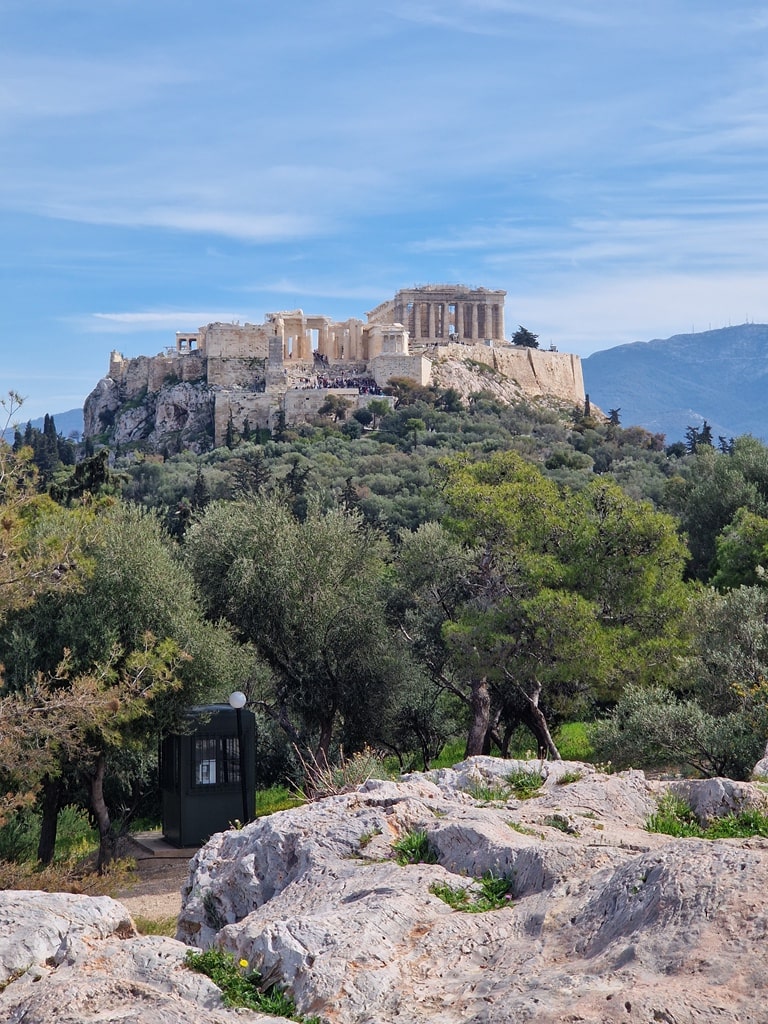
On your way down, take the path that leads to the Pnyx, the rocky plateau where Athenian democracy was born. This is where citizens gathered to debate and vote, and where great orators like Pericles once spoke. You can still see the carved speaker’s platform and imagine the crowd overlooking the Acropolis in the distance.
Local tip: Wear comfortable shoes and bring water, especially in summer. If you want a quieter walk, go in the morning before most visitors arrive.
6. Watch the Sunset from Lycabettus Hill

If you’re looking for the best panoramic view of Athens, Lycabettus Hill is unbeatable. At 277 meters, it’s the highest point in central Athens, offering sweeping 360° views — from the Acropolis and Mount Hymettus to the port of Piraeus and even the island of Aegina on a clear day.

You can hike up in about 20–25 minutes through shady pine paths, or take the funicular railway from Kolonaki if you prefer an easier ride. At the top, you’ll find the whitewashed Chapel of St. George, a small café, and plenty of viewpoints perfect for photos.
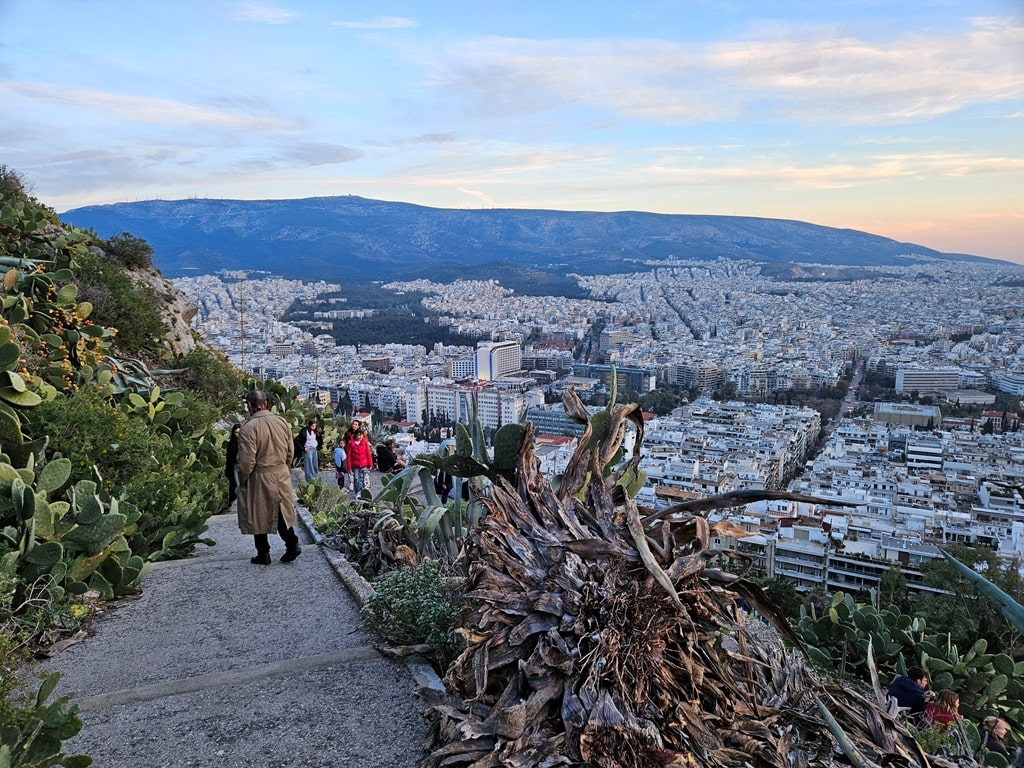
The magic happens at sunset, when the whole city glows in warm light and the Acropolis lights begin to sparkle. It’s a local favorite for both evening walks and romantic views.
Local tip: Bring a bottle of water and arrive about 30 minutes before sunset to find a good spot — it can get busy, especially in summer.
7. Admire the Athenian Trilogy

In the heart of Athens, just a short walk from Panepistimiou metro station, stand three of the city’s most beautiful neoclassical buildings, known as the Athenian Trilogy. Together, they represent the spirit of 19th-century Athens, when the newly independent Greek state sought to reconnect with its ancient heritage.
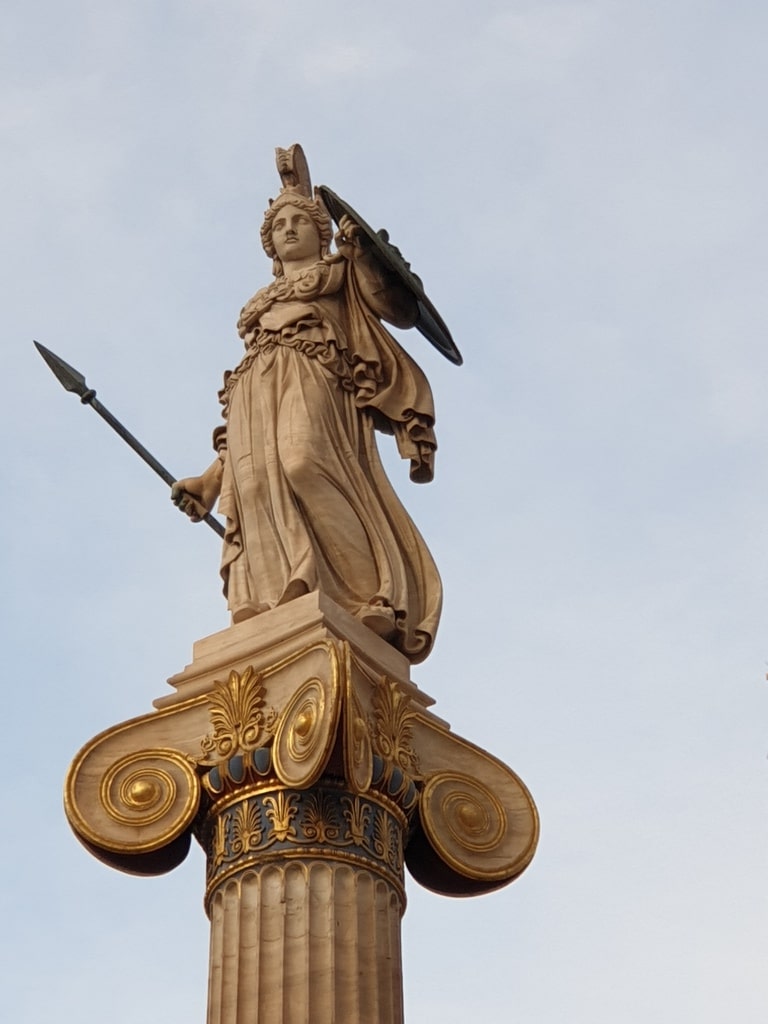
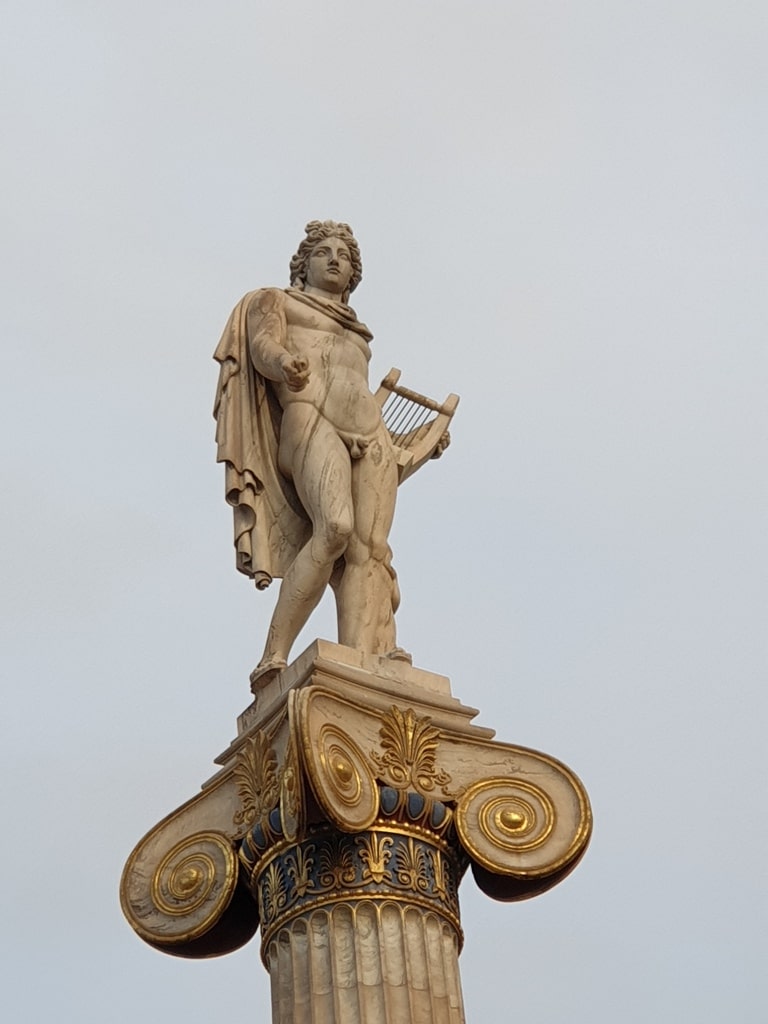
From left to right, you’ll see the National Library, the University of Athens, and the Academy of Athens. The last two were designed by Danish architect Theophil Hansen, and they’re among the finest examples of neoclassical architecture in Europe. The sculptures and columns of the Academy, in particular, are inspired by ancient temples, with statues of Athena and Apollo watching over the entrance.
Even if you just stop for a few minutes, this spot is worth it. It’s elegant, full of symbolism, and a beautiful contrast to the modern bustle of Panepistimiou Avenue.
8. Step Inside Athens’ Historical Churches
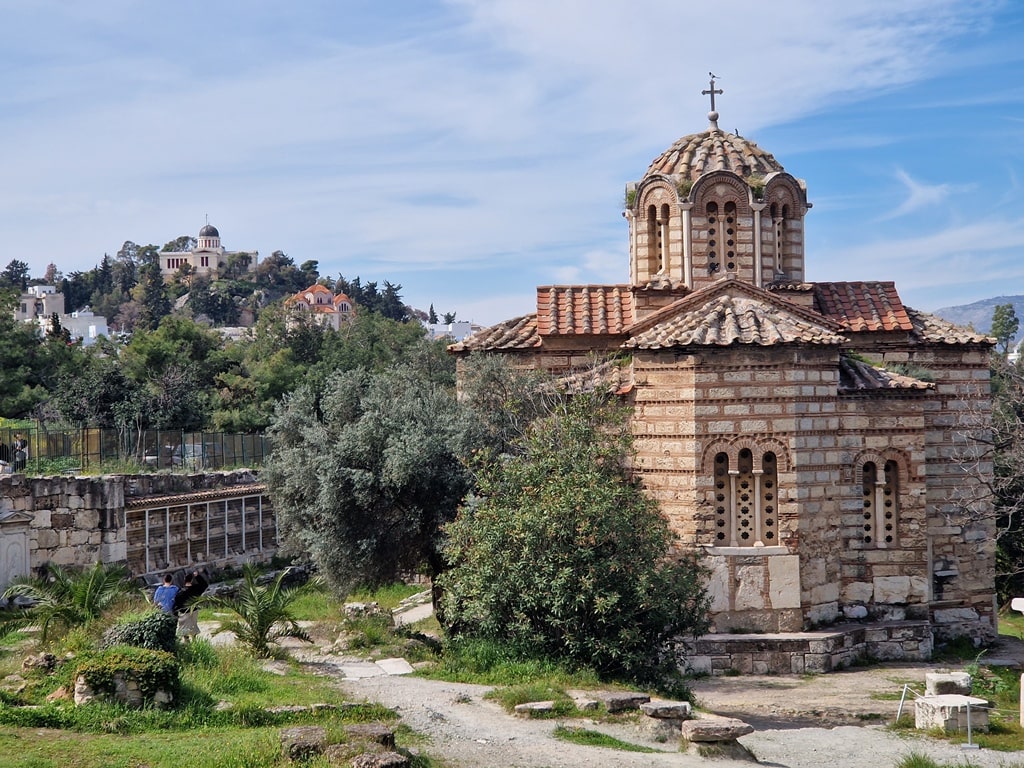
Athens isn’t just about ancient temples — it’s also home to beautiful Byzantine and neoclassical churches that reveal another side of the city’s long history.
One of the most photographed is the Church of Panagia Kapnikarea, right in the middle of Ermou Street, the city’s busiest shopping street. Dating back to the 11th century, it’s one of the oldest churches in Athens — half-sunk into the ground and surrounded by modern buildings, yet still a quiet refuge. Step inside to admire its beautiful icons and faint smell of incense — it feels timeless.
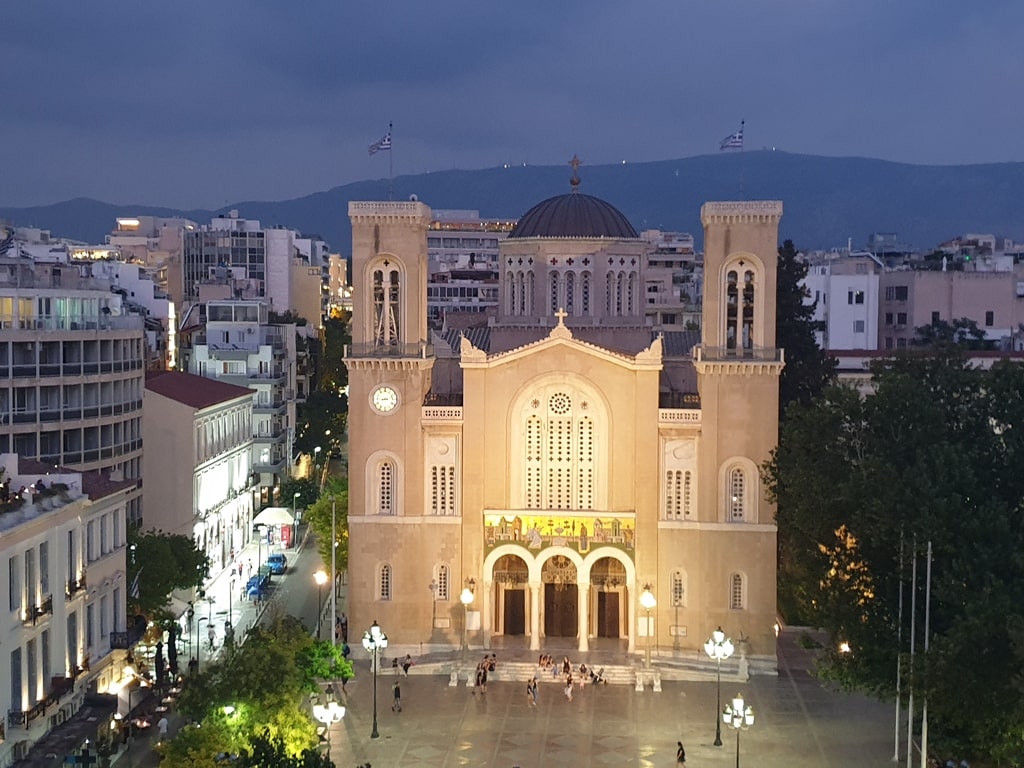
A few blocks away stands the Metropolitan Cathedral of Athens, or “Mitropoli.” Built in the 19th century and designed by Theophil Hansen, it’s the city’s main cathedral and an impressive example of neoclassical church architecture. Inside, you’ll find ornate chandeliers, gold details, and Byzantine-style frescoes that create a warm, reverent atmosphere.
9. Discover the Street Art Scene

Athens has become one of Europe’s most exciting cities for street art — bold, expressive, and full of stories. Walking through neighborhoods like Exarchia, Gazi, and Psyrri, you’ll see huge murals alongside small, poetic messages tucked between cafés and old workshops.



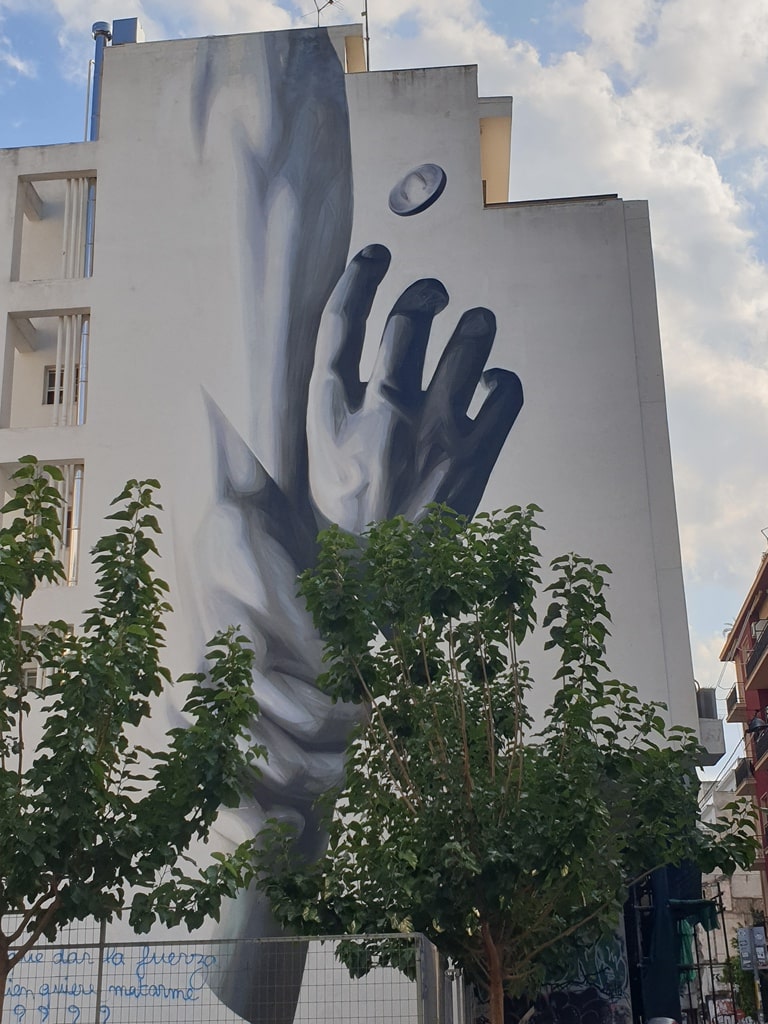
Each mural tells a story: some political, some emotional, others just beautifully abstract. Even if you don’t know the meaning behind each piece, you’ll feel the pulse of the city through them.
10. See Antiquities Inside Athens’ Metro Stations
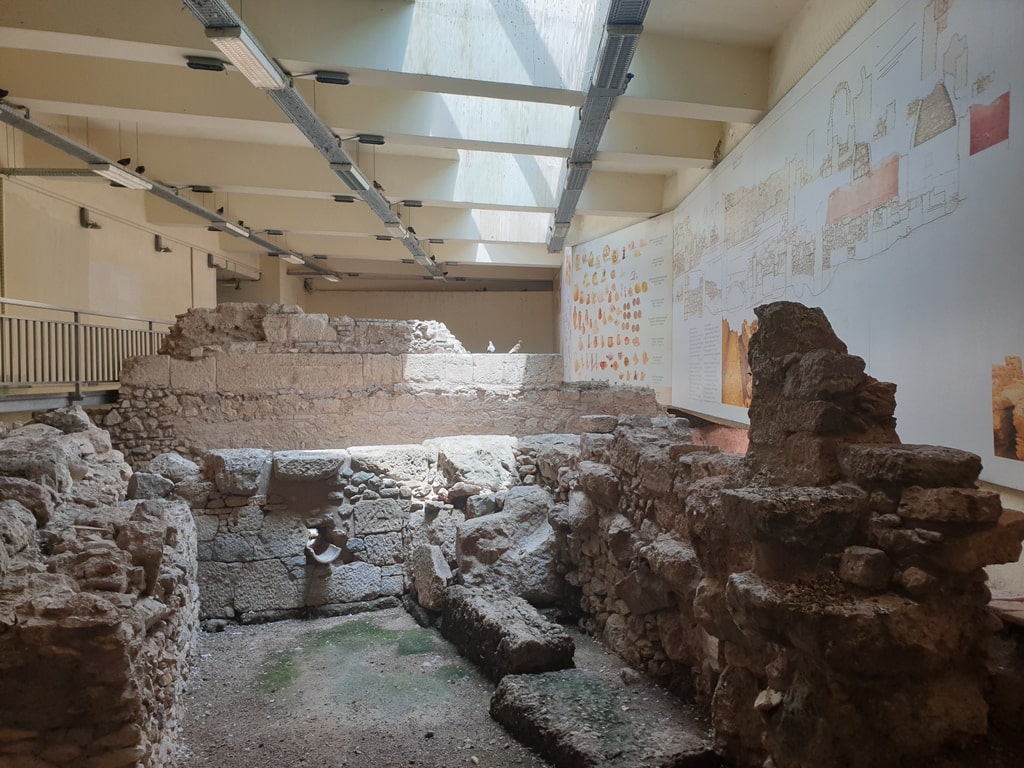
Only in Athens can your metro ride feel like a museum visit. When the subway system was built, so many ancient artifacts were discovered that they decided to exhibit them right inside the stations.
At Syntagma, you can see a Roman bath, parts of ancient cemeteries, and even a section of the city’s old water system. At Panepistimio, you’ll find pottery, amphorae, and clay lamps, while Egaleo and Eleonas display parts of the ancient Iera Odos — the “Sacred Way” that once led to Eleusis.
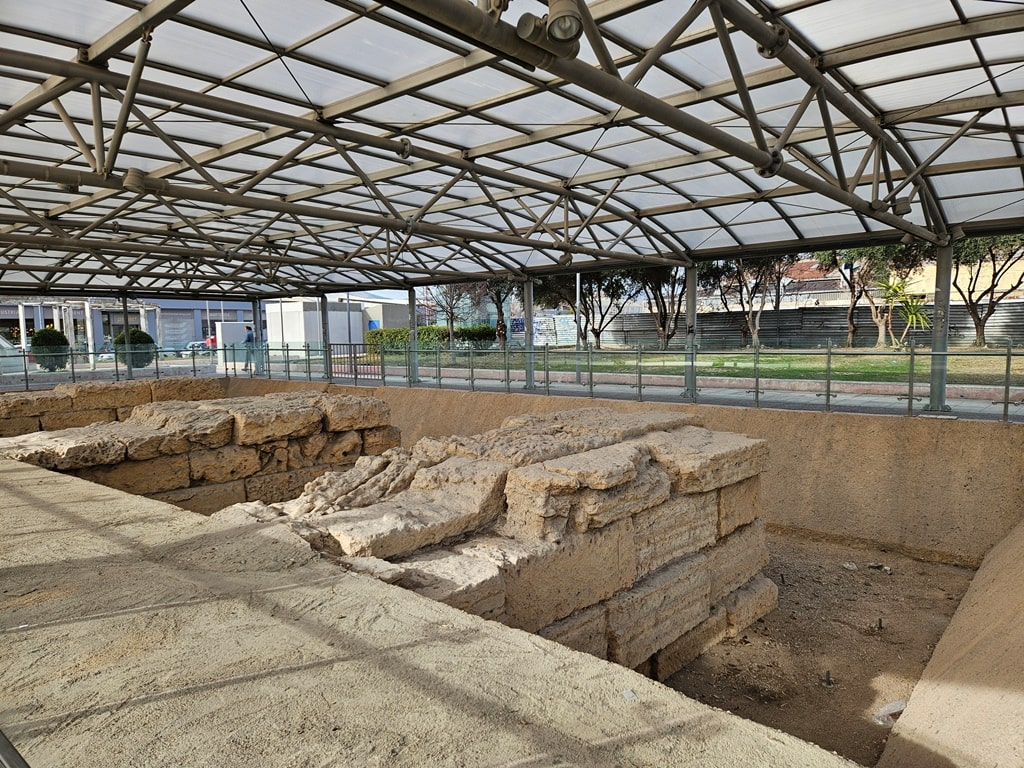
It’s an amazing reminder that beneath modern Athens lies layer upon layer of history — and you can see it for free, just by taking the metro.
Local tip: If you’re short on time, stop at Syntagma Station — it has the richest and best-presented display, and it’s right in the city center.
11. Visit the Benizelos Mansion – The Oldest House in Athens
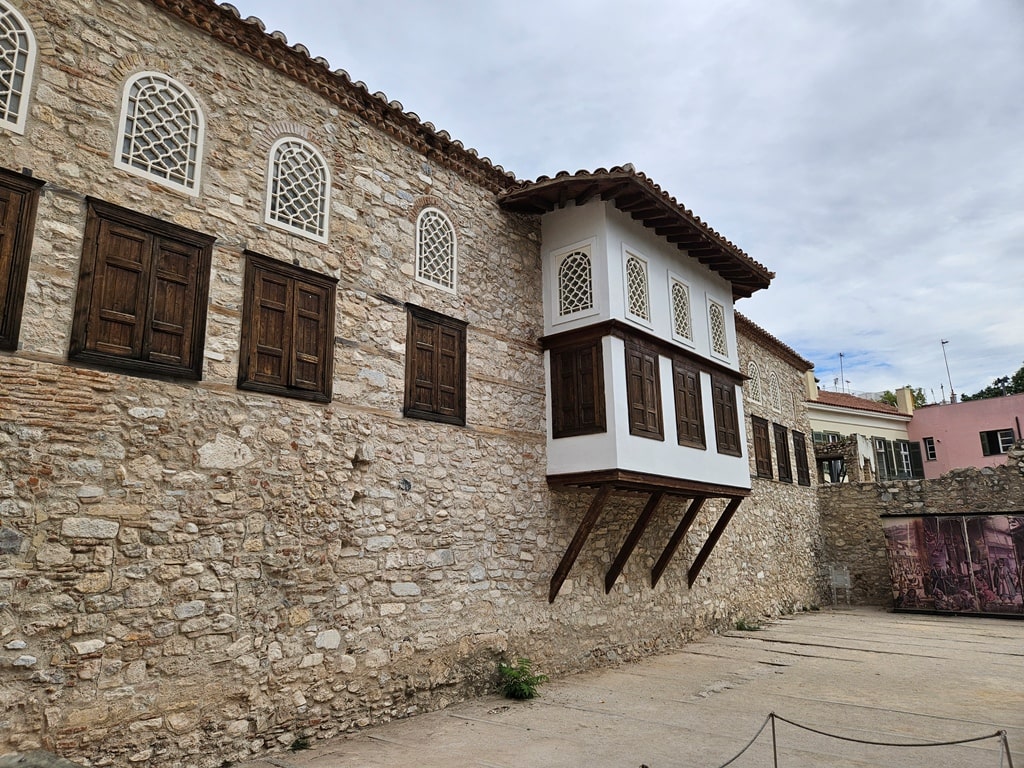
Tucked away in the quiet streets of Plaka, the Benizelos Mansion is one of those places most visitors walk right past without realizing its importance. Yet, this elegant 16th-century home is actually the oldest surviving house in Athens — a rare glimpse into life during the Ottoman era.
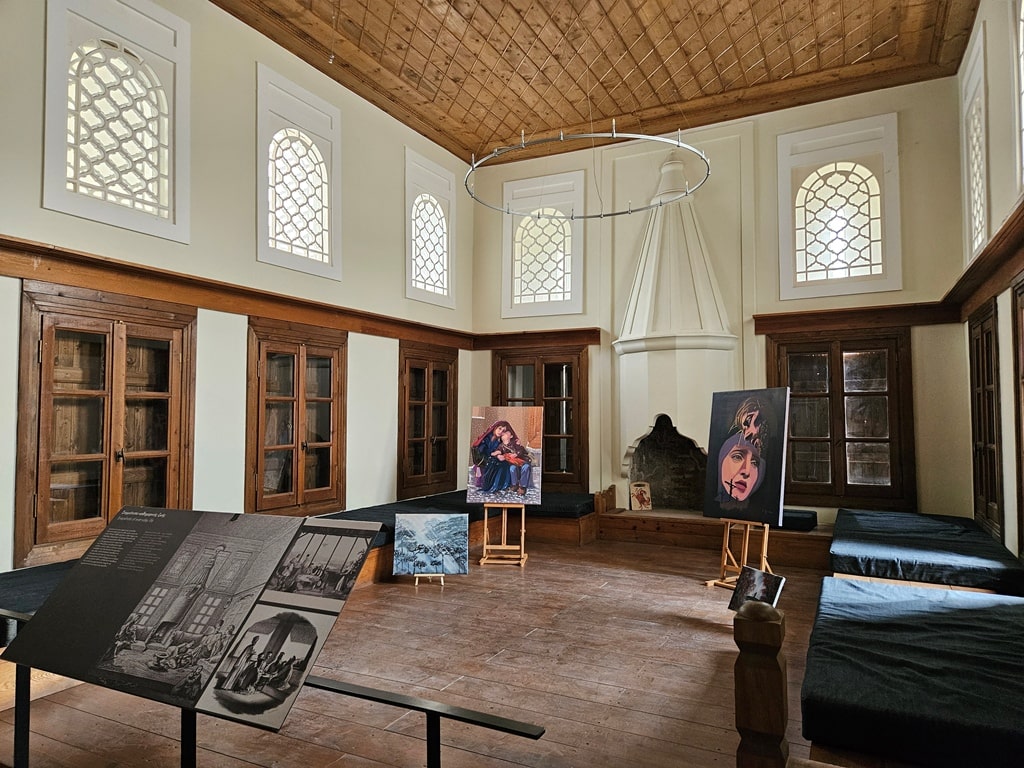
Built by the noble Benizelos family, it’s best known as the birthplace of Saint Filothei, a remarkable woman who devoted her life to helping the poor and enslaved. Walking through the wooden balconies and stone courtyards, you can almost imagine the stories that unfolded here centuries ago.
It’s small, peaceful, and completely free to visit — perfect for a short stop if you’re already exploring Plaka. It’s not just a house; it’s a quiet reminder of Athens’ many layers — ancient, Byzantine, Ottoman, and modern — all coexisting in one city.
12. Visit the Daphni Monastery – A UNESCO Treasure Near Athens
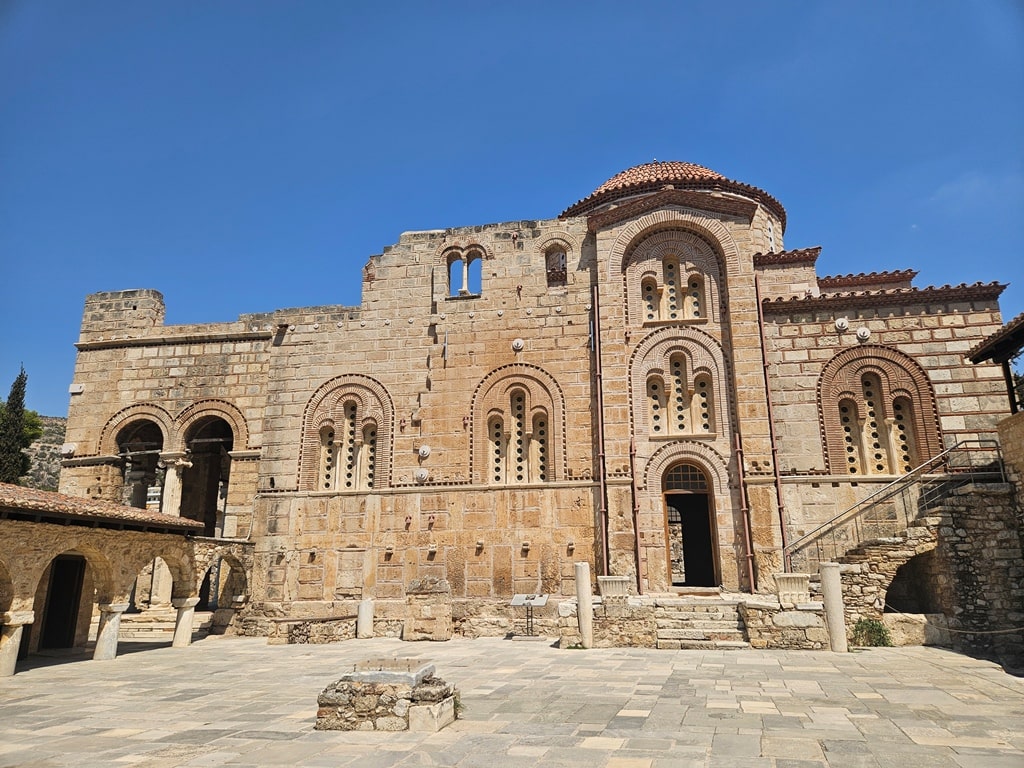
Just 20–25 minutes from the city center, the Daphni Monastery (Moni Dafniou) is one of the most stunning Byzantine monuments in Greece — and it’s completely free to visit.
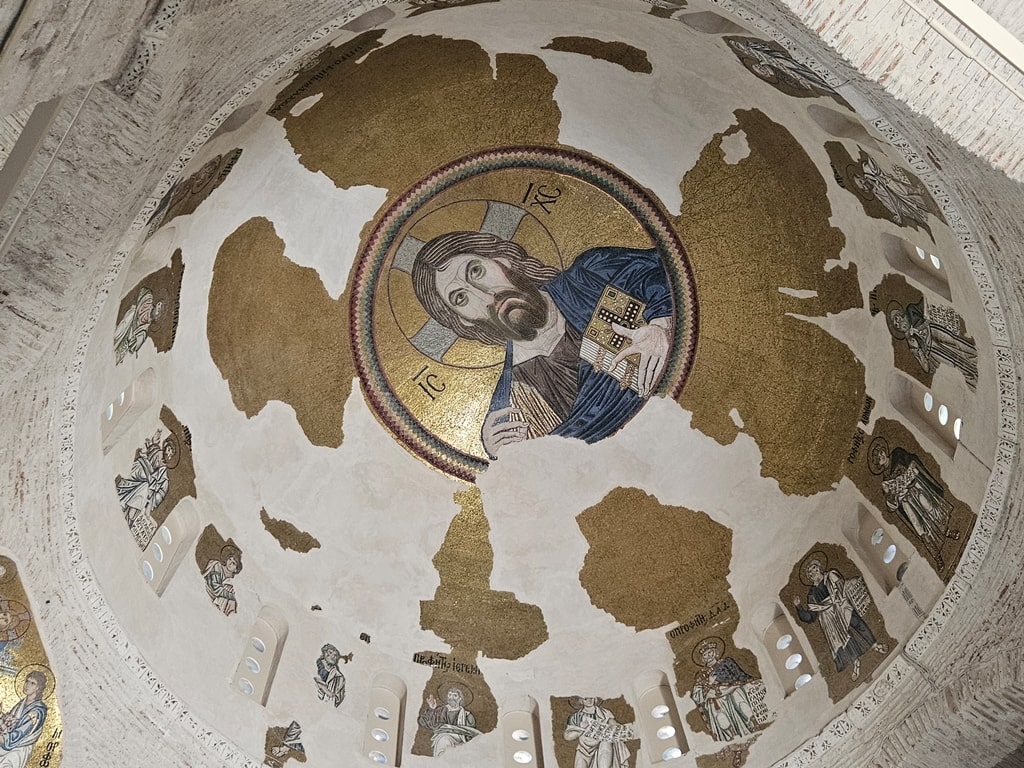
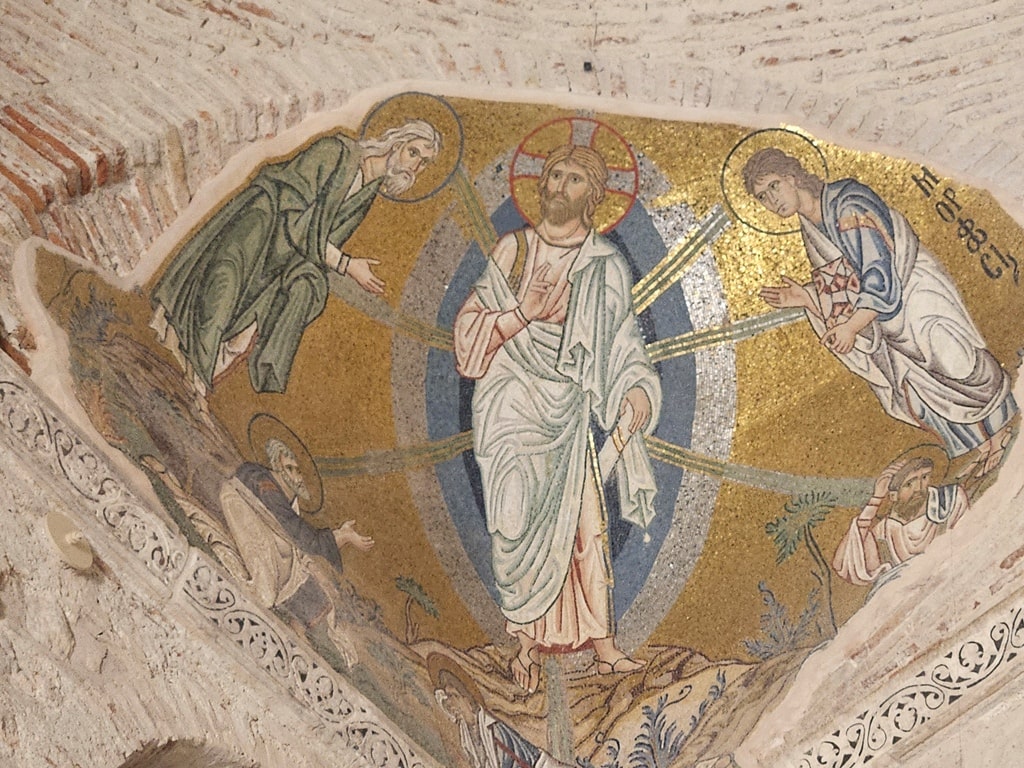
Built in the 11th century, this UNESCO World Heritage Site is famous for its breathtaking gold mosaics, including a powerful image of Christ Pantocrator that seems to glow from within. The peaceful courtyard, surrounded by cypress trees and quiet pathways, offers a beautiful contrast to the noise of central Athens.
It’s easy to reach — take the blue metro line to Agia Marina, then hop on a local bus (801, 811, 865, 836, 866, or 876) and get off at the stop “Psyciatreio / Moni Dafniou.” From there, it’s a short walk to the monastery gates.
13. Relax at the Diomedes Botanical Garden
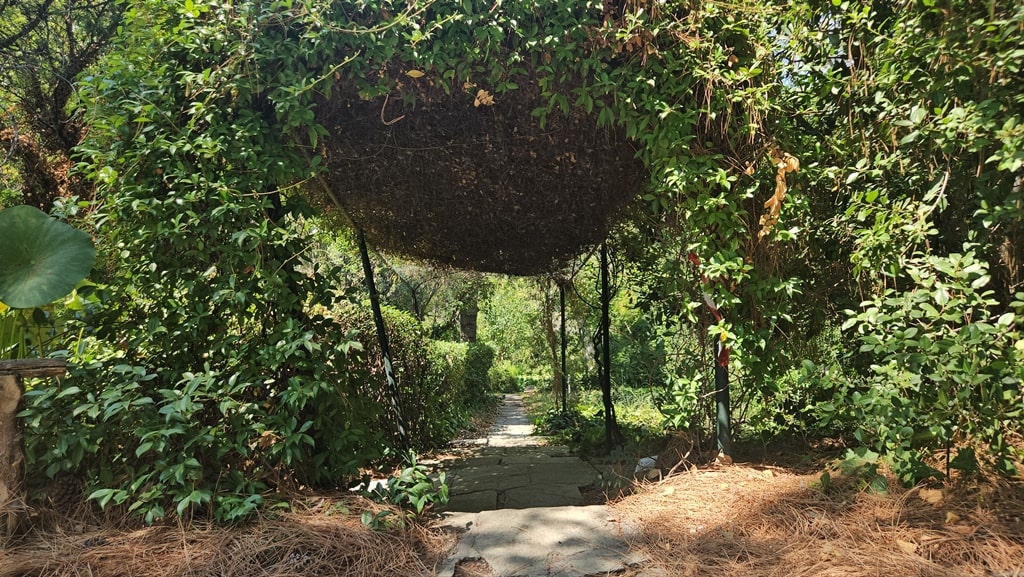
Just a five-minute walk from the Daphni Monastery, you’ll find one of Athens’ best-kept secrets — the Diomedes Botanical Garden. Spreading over 180 hectares, it’s the largest botanical garden in Greece and one of the biggest in Southeast Europe.
This peaceful oasis is home to thousands of plant species from all over the world. Shady trails wind past pine trees, aromatic herbs, small lakes, and picnic areas — the perfect spot to slow down, especially after exploring the monastery.
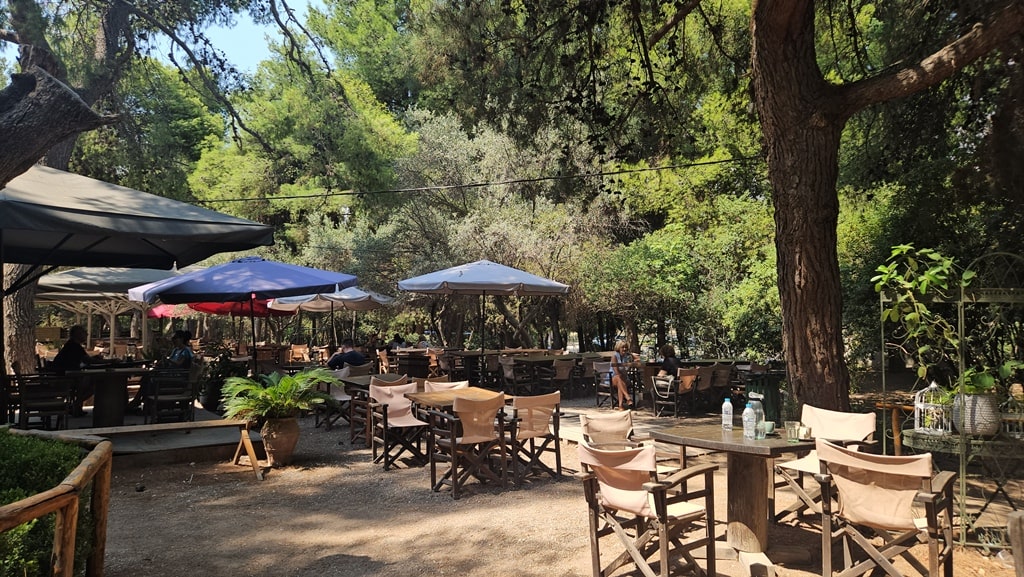
Most tourists never make it here, which is exactly what makes it special. You’ll mostly see locals walking, reading, or enjoying a quiet moment under the trees. It’s a side of Athens few visitors get to experience.
Local tip: Entry is free on weekdays and only €2 on weekends (tickets available online). Get your free or paid tickets here: https://diomedes-bg.gr/
14. Explore the Stavros Niarchos Foundation Cultural Center (SNFCC)

If you want to see a different, modern side of Athens, head to the Stavros Niarchos Foundation Cultural Center — one of the most impressive architectural landmarks in the city, and it is completely free to visit.
Designed by world-renowned architect Renzo Piano, the SNFCC combines sleek modern design with open green spaces and panoramic views. It houses the Greek National Opera and the National Library of Greece, but what really makes it special is how welcoming it feels — open lawns for picnics, shaded walking paths, and a rooftop terrace with sweeping views across the city, the sea, and even the Acropolis in the distance.
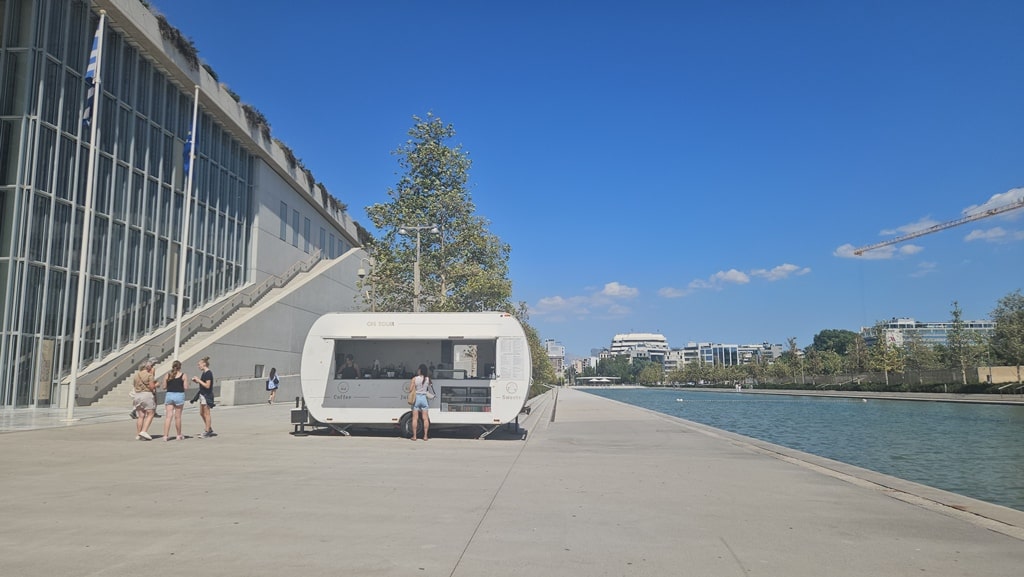
It’s one of my favorite places for a sunset walk or a quiet afternoon by the water canal. The entire complex is beautifully maintained, and there are free cultural events throughout the year — from concerts and film screenings to yoga sessions in the park.
Local tip: Take advantage of the free shuttle bus from Syntagma Square, which runs daily to and from the SNFCC.
15. Swim at the Free Beaches of the Athenian Riviera
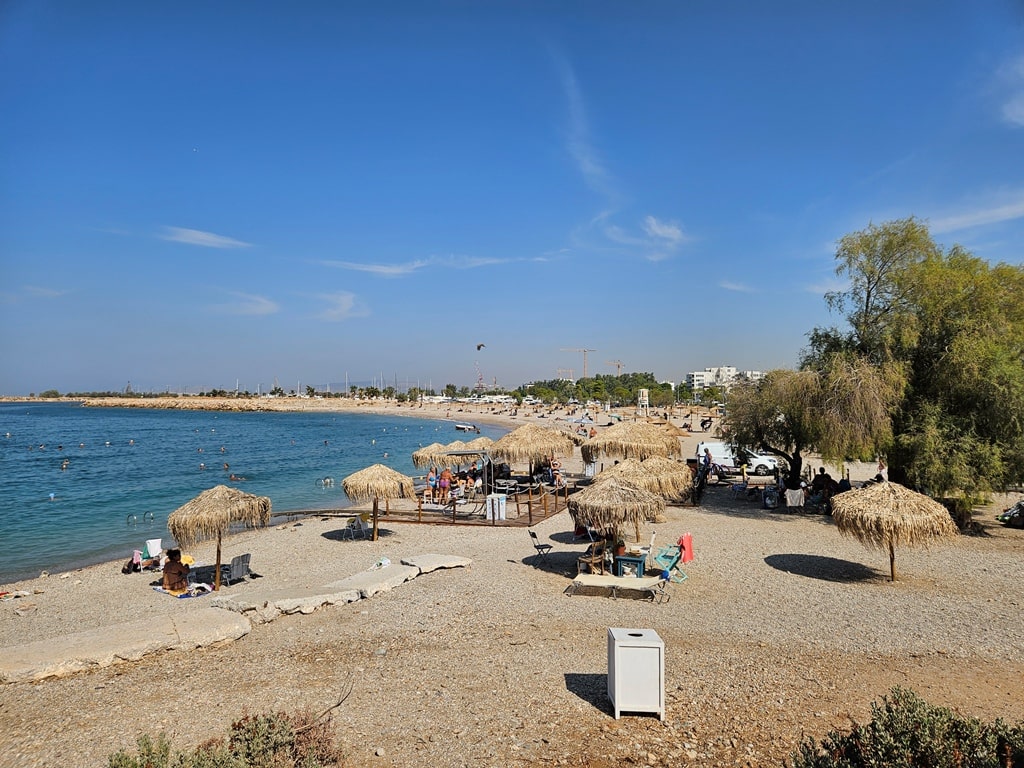
Yes — you can swim in Athens! One of the city’s best surprises is how close the Athenian Riviera is to the center. In just 30–40 minutes, you can swap busy streets for sea views and a refreshing swim — completely free.
Two of the most popular public beaches are Edem Beach in Palaio Faliro and Kalamaki Beach in Alimos. Both are clean, easy to reach, and perfect for a quick dip or a walk along the promenade. There’s also a long coastal path lined with cafés, marinas, and sunset viewpoints — ideal for an evening stroll.
To get there, just take the tram from Syntagma Square toward Voula. Within an hour, you’ll be watching the sun sink over the Saronic Gulf — no ticket (besides the tram fare) required.
16. Take Advantage of Free Admission Days
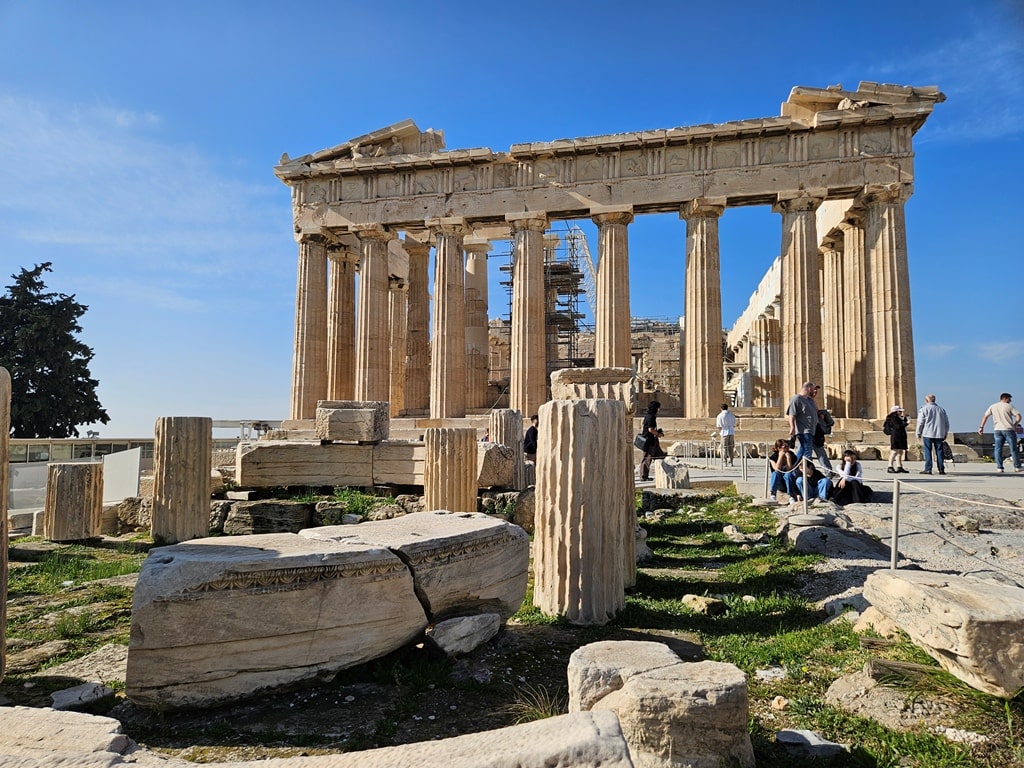
Many of Athens’ most famous museums and archaeological sites — including the Acropolis, Ancient Agora, and National Archaeological Museum — offer free admission on specific days throughout the year. It’s the perfect opportunity to explore world-class landmarks without spending a euro.
Here are the main free entry dates in Greece:
- March 6 – In memory of Melina Mercouri
- April 18 – International Monuments Day
- May 18 – International Museums Day
- Last weekend of September – European Heritage Days
- October 28 – National Holiday (Ohi Day)
- Plus, every first and third Sunday from November to March
And here’s a bonus: the Benaki Museum, one of Athens’ top cultural institutions, offers free entry every Thursday evening (6 p.m.–midnight). Visiting after dark gives the whole experience a different, more intimate feel.
Local tip: Plan your trip around one of these dates if possible — just go early, as the major sites can get busy on free days.
Athens proves that the best experiences don’t have to come with a price tag. From ancient hills and peaceful gardens to sea breezes and street art, the city offers endless ways to connect with its history, culture, and everyday life — all for free.
These are the places I return to again and again — not just because they’re beautiful, but because they capture what Athens really is: alive, layered, and full of contrasts. Whether it’s your first time here or your tenth, there’s always another corner to discover, another sunset to watch, another story waiting just around the corner.