
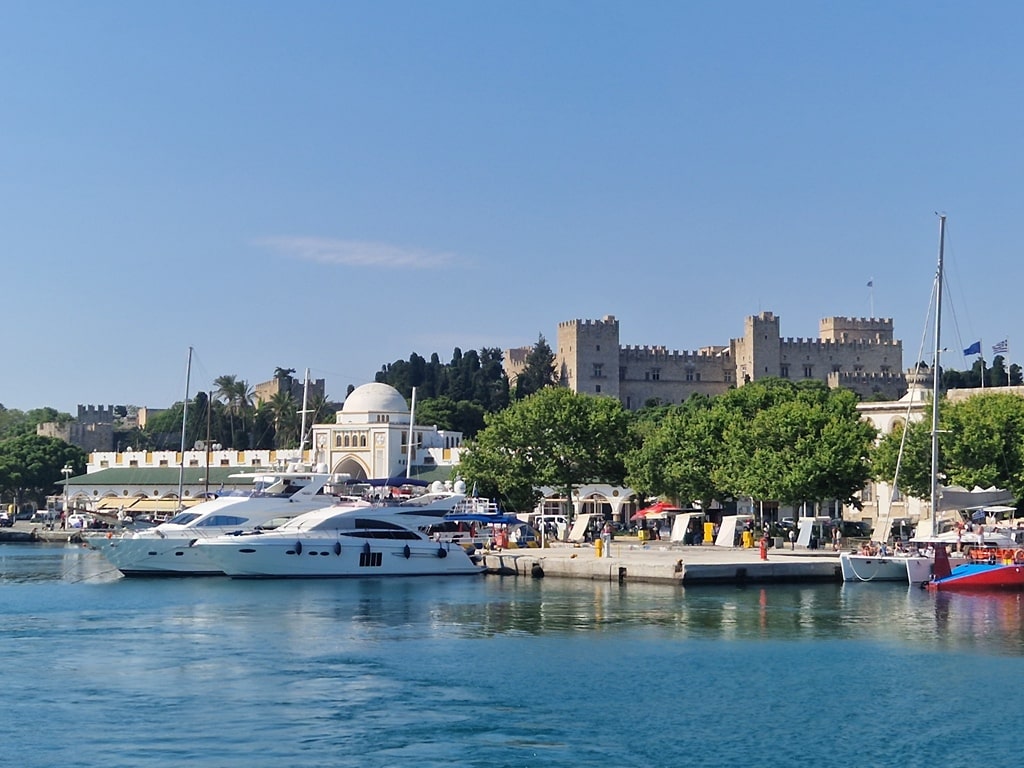
I grew up in Greece, and no matter how many islands I’ve explored — and it’s a lot — I’m still amazed by how different each one feels.
Some are lively and full of energy. Others are quiet, wild, and untouched. But the real magic? It’s when you visit more than one and start to feel the rhythm of island life — the contrasts, the colors, the stories.
Island hopping in Greece isn’t complicated, but it does take some smart planning. With so many options, it’s easy to waste time on long ferry rides or try to fit in too much.
In this guide, I’ll help you:
- Choose the right island group based on your travel style
- Figure out how many islands to visit (without burning out)
- Plan a route that makes sense — and feels like an adventure
Whether it’s your first time or your fifth, I want this trip to be the one you remember.
Want to see what Greek island hopping really looks like?
I break it all down — routes, ferries, tips, and how to plan your dream trip — in my video below.
Watch now and subscribe for more Greece travel tips!
Disclosure: This post contains affiliate links. That means I may earn a small commission if you book through them — at no extra cost to you. Thank you for supporting Greece & Beyond and helping me keep this site going!

Pick Your Island Group
One of the biggest mistakes people make when planning a Greek island-hopping trip is trying to do too much, jumping between faraway islands just because they’ve heard the names.
But here’s what works better: stick to one island group and explore 2–4 islands that are close together. It’ll save you time, money, and ferry frustration — and you’ll actually enjoy the journey, not just the destination.

Main Greek Island Groups at a Glance
- Cyclades – Classic whitewashed villages, blue domes, and postcard views (think Santorini, Mykonos, Paros).
- Ionian Islands – Lush, green, and a little Italian in feel — perfect for road trips and beach lovers (like Corfu or Kefalonia).
- Dodecanese – History meets charm. Medieval towns, castles, and low-key islands (Rhodes, Patmos, Symi).
- Sporades – Pine-covered, peaceful, and perfect for nature lovers (Skiathos, Skopelos — yes, Mamma Mia was filmed here).
- Northern Aegean – Off the beaten path and full of local flavor (Lemnos, Chios, Samos).
- Argo-Saronic – Great for a short hop from Athens — relaxed and traditional (like Hydra or Aegina).
- Crete – A world of its own. Big, diverse, and easy to combine with the Cyclades.
Here’s a quick overview of each group to help you find the right match:
The Cyclades

This is the Greece you’ve seen in every travel guide — white houses, blue domes, and golden sunsets. Islands like Santorini, Mykonos, and Paros are famous for a reason, but nearby gems like Naxos, Amorgos, and Syros offer a quieter, more authentic vibe.
Best for: First-timers, iconic views, beach lovers, island-hopping ease.
The Ionian Islands

On the west coast, the Ionian islands feel completely different — think green mountains, Venetian towns, and dramatic beaches. Corfu, Kefalonia, and Zakynthos are gorgeous and laid-back, with great food and a bit of Italian flair.
Best for: Road trips, lush nature, family travel, quieter vibes.
The Dodecanese

Full of history and medieval charm, these islands are often overlooked — which makes them even better. Rhodes, Patmos, and Symi offer castles, cobblestones, and culture, with warm weather that lasts into late fall.
Best for: History lovers, cultural depth, shoulder-season travel.
The Sporades

Green, serene, and less crowded, the Sporades are ideal for slow travel. Skiathos and Skopelos (yep, Mamma Mia was filmed there) have some of the bluest water in Greece, plus hiking, forests, and quiet villages.
Best for: Nature, clear waters, hiking, avoiding crowds.
The Northern Aegean

If you’re looking for something truly authentic, this is it. Chios, Samos, Lesvos, and Lemnos are big, local, and full of personality. Fewer tourists, more traditions, and a real chance to connect with the slower rhythm of Greek island life.
Best for: Off-the-beaten-path travel, food, festivals, and authenticity.
The Argo-Saronic Islands

Close to Athens and easy to reach by ferry, these small islands are full of charm. Hydra, Aegina, and Spetses are perfect for a short escape — with beautiful walks, seafood tavernas, and no stress.
Best for: Day trips from Athens, weekend breaks, short itineraries.
Crete

Crete isn’t just an island — it’s its own adventure. With ancient ruins, mountain villages, pink-sand beaches, and unforgettable food, it can easily be a trip all on its own.
Best for: Longer stays, history, food, and seeing “all of Greece” in one place.
Dreaming of island hopping in Greece, but don’t know where to start?
My 190-page Greek Island Hopping Guide eBook has everything you need to plan your perfect trip — whether it’s your first time or you’re coming back for more.
Inside, you’ll find:
✅ Full breakdowns of all major Greek Island Groups
✅ 41 detailed island profiles — including hidden gems
✅ My favorite beaches, stays, and local tips
✅ How to get around and between islands
✅ 20 ready-to-use itineraries for every type of traveler
It’s like having a local travel planner in your pocket — and I made it with love after years of exploring the islands myself.
👉 Click here to grab your copy.
Make your island-hopping dreams real!
Plan Your Island Hopping Itinerary
How Many Islands Should You Visit?

One of the biggest mistakes I see travelers make is trying to cram in too many islands. Trust me — the magic of island hopping comes from slowing down, not rushing through.
If you have:
- 1 week → Stick to 2 islands max, ideally in the same group.
- 2 weeks → You can explore 3 to 4 islands comfortably.
- More than 2 weeks → You’ve got room to roam — but still, don’t overdo it.
Island hopping sounds fast-paced, but boats run on Greek time (sometimes literally!), and ferry days can feel like travel days. You want enough time to settle in, swim, wander, eat, and actually feel the island before jumping to the next.
How to Get to the Islands

Before you start hopping, you have to land somewhere — and how you arrive can really shape your itinerary.
Start Smart: Where You Fly In Matters
Most people land in Athens, which is a great base with access to Piraeus and Rafina ports. But if you already know which island group you’re focusing on, it might be smarter to fly straight to the islands.
International Airports on Popular Islands
- Cyclades: Mykonos, Santorini
- Ionian: Corfu, Zakynthos, Kefalonia, Aktion (Preveza) for Lefkada
- Dodecanese: Rhodes, Kos
- Sporades: Skiathos
- Northern Aegean: Samos, Lesvos, Lemnos
- Crete: Heraklion, Chania

Some domestic-only airports (like Paros, Naxos, or Skyros) are great too — especially if you’re already in Greece.
Domestic airports on islands:
- Astypalea (Dodecanese)
- Chios (Northern Aegean)
- Ikaria (Northern Aegean)
- Kalymnos (Dodecanese)
- Karpathos (Dodecanese)
- Kasos (Dodecanese)
- Kythira (Ionian)
- Leros (Dodecanese)
- Milos (Cyclades)
- Paros (Cyclades)
- Naxos (Cyclades)
- Syros (Cyclades)
- Skyros (Sporades)
Local tip: If you’re heading to the Cyclades, flying into Santorini or Mykonos and ferrying from there can save hours compared to starting from Athens.
The Main Ports
If you’re taking ferries, here’s where you’ll likely depart from:
- Piraeus (Athens): Biggest and busiest — connects to most island groups
- Rafina: Best for Mykonos, Andros, Tinos, and some Cyclades
- Volos: For the Sporades
- Patras / Igoumenitsa: For the Ionian Islands
- Thessaloniki: For Northern Aegean options
Local tip: Always get to the port early — especially Piraeus, which can be chaotic in summer.
Greek Ferries: What to Know Before You Book
Ferries are the backbone of island hopping — but not all ferries are created equal. Here’s what I always tell my friends when they’re planning a trip:

Types of Ferries
- Conventional car ferries – Big, steady, and budget-friendly. Great if you get seasick. Slower, but reliable — and you can walk around comfortably.
- High-speed ferries/catamarans – Fast and sleek but more expensive. Good for saving time on popular routes like Santorini–Mykonos.
Warning: Not great for rough seas or sensitive stomachs!
Local tip: If you’re prone to motion sickness, skip the small high-speed boats and stick to conventional ferries — especially in windy months like July and August.
How to Book Ferry Tickets
The easiest and most flexible way to book is through Ferryhopper. It shows all available routes, prices, and travel times — and lets you manage your bookings in one place.
You can also buy tickets:
- At the Athens Airport (Aktina travel desk)
- At travel agencies around town or near the ports
- Directly at the port — but only if you’re flexible or traveling off-season
- Directly on the website of each ferry company
Ferry Tips

- Arrive early – Be at the port at least 45–60 minutes before departure, especially during peak season. Piraeus in July is no joke.
- Boarding is fast – Once the ramp drops, it’s go-time. Have your ticket ready and follow the staff’s directions.
- Luggage – Large suitcases go in the main luggage area near the entrance. Keep all valuables, meds, and essentials with you in a day bag.
- Wi-Fi is spotty – Some ferries offer it, but it’s usually unreliable. Download music, podcasts, or offline maps in advance.
- Seasick? – Avoid small high-speed ferries, especially in July and August, when winds (meltemi) can make the sea rough. Stick to large, conventional ferries, sit mid-ship, and consider motion sickness tablets.
- Schedules aren’t released far in advance – Most summer ferry schedules are released around February to April. If you’re planning ahead, be patient — routes fill in gradually.
- Delays happen – Weather, port congestion, or strikes can shift things. Build in buffer time if you have a flight or hotel booking after your trip.

Island Hopping on a Budget: My Tried-and-True Tips
Island hopping doesn’t have to break the bank. With some smart planning, you can enjoy the magic of the Greek islands without stressing over every receipt. Here’s how I make it work — and how you can too.

Travel in May, June, or September
These months are chef’s kiss: great weather, warm seas, lower prices, and fewer crowds. Avoid mid-July to late August unless you’ve got a big budget (or lots of patience!).
Choose your ferry wisely

Conventional ferries are much cheaper than high-speed catamarans. For short routes (1–2 hours), it’s not a big difference. But for longer ones, you’ll save €20–40+ per ticket just by going slower. It adds up quickly!
Stay smart
- Mix a boutique hotel on one island with a simple guesthouse on another.
- Look for places with a kitchenette or breakfast included.
- Book early — the best deals go fast!
Eat local (and well!)

Tavernas away from the waterfront are usually cheaper and more authentic. Look for short handwritten menus and full tables of Greeks — that’s your sign!
Pick islands close together
The shorter the ferry ride, the lower the cost. Island groups like the Cyclades and Saronic Gulf are great for affordable, easy hopping.

Book in advance (sometimes)
Ferry and accommodation prices go up as summer gets closer. If you’re traveling in August or need a cabin or car space, book early. Otherwise, stay flexible and shop around.
Even after a lifetime in Greece, island hopping still feels like magic to me. No two trips are ever the same — and that’s the beauty of it. Whether you’re chasing sunsets in Santorini, sipping ouzo in a tiny village on Ikaria, or swimming in turquoise coves in Milos, the Greek islands have a way of staying with you long after you leave. I hope this guide helps you plan an unforgettable adventure — one that reflects your own pace, style, and story.
Have questions or want help shaping your itinerary? Let me know in the comments — I’m always happy to help.