

One of the questions people ask me constantly is, “When is the best time to visit Greece?” And honestly, after years of traveling around the islands and exploring mainland towns in every season, I can tell you there isn’t just one answer. Greece feels completely different in spring than it does in August, and even more different in the quiet winter months.
In this guide, I’ll walk you through what each season is really like — not just weather-wise, but in terms of crowds, prices, ferry schedules, swimming, and overall experience. I’ll also share what I personally choose for island hopping, sightseeing, or relaxing beach days, so you can pick the right time based on the kind of trip you want.

When to Visit Greece (Quick Overview)

If you just want a fast answer, here’s the truth: the best time to visit Greece depends entirely on what kind of trip you’re dreaming of. Weather, crowds, ferry schedules, prices, they all change a lot throughout the year.
Here’s a simple breakdown to help you decide:
• Best time for swimming:
May to mid-October. The sea is warmest from July to October.
• Best time for popular islands like Santorini & Mykonos:
May, June, September, and October. Great weather and fewer crowds.
• Best time for quieter, lesser-known islands:
June, July, and September. These islands don’t feel overwhelmed even in high season.
• Best time to visit Athens:
April, May, October, November. Comfortable temperatures and fewer lines at archaeological sites.
• Best time for hiking & nature:
April to June and September to October.
• Best time to save money:
November to March for the mainland and big islands, or late May/early June and late September/early October for the smaller islands.
Best Time to Go to Greece (By Season)
Shoulder Seasons in Greece (April–mid-June & September–October)

If you ask me, these are the absolute best months to visit Greece. The weather is warm without being exhausting, the days are long, and both the islands and the cities feel lively but not overcrowded.
In spring, the countryside is full of wildflowers and everything feels fresh after the winter rains. In autumn, the sea is at its warmest — perfect for long swims well into October.
These months are ideal for sightseeing, hiking, island hopping, and exploring without rushing. It’s also when I personally travel around Greece the most, because you get the beauty of summer without the chaos of July and August.
If your schedule allows you to come in May, early June, late September, or October, you’ll experience Greece at its best.
Peak Season in Greece (July & August)

July and especially August are Greece at full speed. The islands are packed, hotels and ferries book out early, and prices are at their highest. It’s also the hottest time of year, with temperatures often reaching well over 35–40°C — something many visitors underestimate.
August is when most Greeks take their holidays, so the country gets even busier. Around 15 August, one of the biggest religious holidays, popular islands can feel overwhelming.
If you only have these months available, I’d skip the famous hotspots and choose lesser-known islands — places like Serifos, Sikinos, Syros, Andros, Lemnos, Karpathos, or Astypalea. They’re beautiful, authentic, and far more enjoyable in peak season.
As for Athens, August is strangely quiet. Many locals leave the city, but the heat can be intense, and some small restaurants close for holidays. You’ll still eat well, but your choices might be more limited.
Low Season in Greece (November–March)

Winter in Greece feels very different from summer, especially on the islands. Most small islands shut down almost completely from mid-November until April, with many hotels and restaurants closing for the season. You’ll always find somewhere to stay and eat, but options are limited and the weather is cool, often rainy, and occasionally snowy, so it’s not a classic “winter sun” destination.

If you want an island break during winter, choose bigger islands with year-round life like Crete, Rhodes, Corfu, or even Santorini, which stays surprisingly pleasant and peaceful in winter. Just don’t expect beach weather.

For cultural trips, winter is actually a great time. Cities like Athens, Thessaloniki, Nafplio, and major archaeological sites such as Delphi, Ancient Olympia, and Meteora stay open, lively, and far less crowded than in summer. Hotels are cheaper, restaurants stay open, and the cooler temperatures make sightseeing much easier.
If you enjoy exploring without the heat or the crowds, winter on the mainland can be a wonderful time to see a different, more local side of Greece.
Best Time to Visit Greece (By Activity)
Best Time for Outdoor Activities in Greece

If you want to hike, explore nature, or enjoy outdoor adventures, the best time to visit Greece is spring (April–June) and autumn (September–October).
Temperatures are mild, the landscapes are green, and you can walk comfortably without the extreme summer heat.
Spring is perfect for wildflowers and longer days. Autumn is ideal for warm seas and cooler trails.
Island destinations like Andros and Amorgos are fantastic for hiking, thanks to their marked trails and dramatic landscapes. For bird-watching, try Lesvos, Crete, and Lemnos, and if you enjoy long gorges and mountain paths, Crete’s Samaria Gorge is at its best in May, June, September, and early October.
Best Time of Year for Greek Island Hopping

If your goal is to hop between islands, the best time to do it is late May to early October, when ferry schedules are frequent and the weather is settled. The sweet spot is usually June and September. You get reliable connections, warm seas, and far fewer crowds compared to July and August.

During peak summer, the system still works well, but ferries, flights, and hotels sell out quickly, so you’ll need to book ahead. In winter, most ferry routes drop to once or twice a week (especially to smaller islands), so hopping becomes trickier unless you stick to larger islands like Crete, Rhodes, Naxos, or Santorini.
If you want flexibility and the option to explore multiple islands in one trip, go between late spring and early autumn, this is when Greece’s island network really comes to life.
Best Time of Year for Swimming in Greece

If swimming is a priority, aim for June through mid-October. The sea warms up slowly, so although you can swim from May, the water is usually at its best from late June onward. By September and early October, the sea is actually the warmest of the year — one of the reasons I love traveling then.

In the southern islands like Rhodes, Crete, and Kos, you can often swim well into late October. And if the weather is calm, you might even manage a quick dip in November.
Best Time of Year for Sailing in Greece

If you’re planning to explore Greece by boat, whether renting a small rib, joining a catamaran cruise, or doing a full sailing holiday, the best time is again the shoulder seasons, especially May, June, September, and early October. The ports are calmer, the coves aren’t crowded with yachts, and prices are much more reasonable than in July and August.

Spring brings greener landscapes and cooler weather for exploring the islands on foot, while autumn offers warmer, clearer seas for long swims. Summer is still great for sailing, of course, but expect busier marinas and stronger winds in some areas, especially in the Cyclades.
Best Time of Year for Sightseeing in Greece
If your trip is all about ancient sites, museums, and exploring cities like Athens, Delphi, Nafplio, or Thessaloniki, then the best months are April to June and September to November. The weather is warm but not exhausting, the light is beautiful for photos, and you can actually enjoy places like the Acropolis without the intense summer heat.
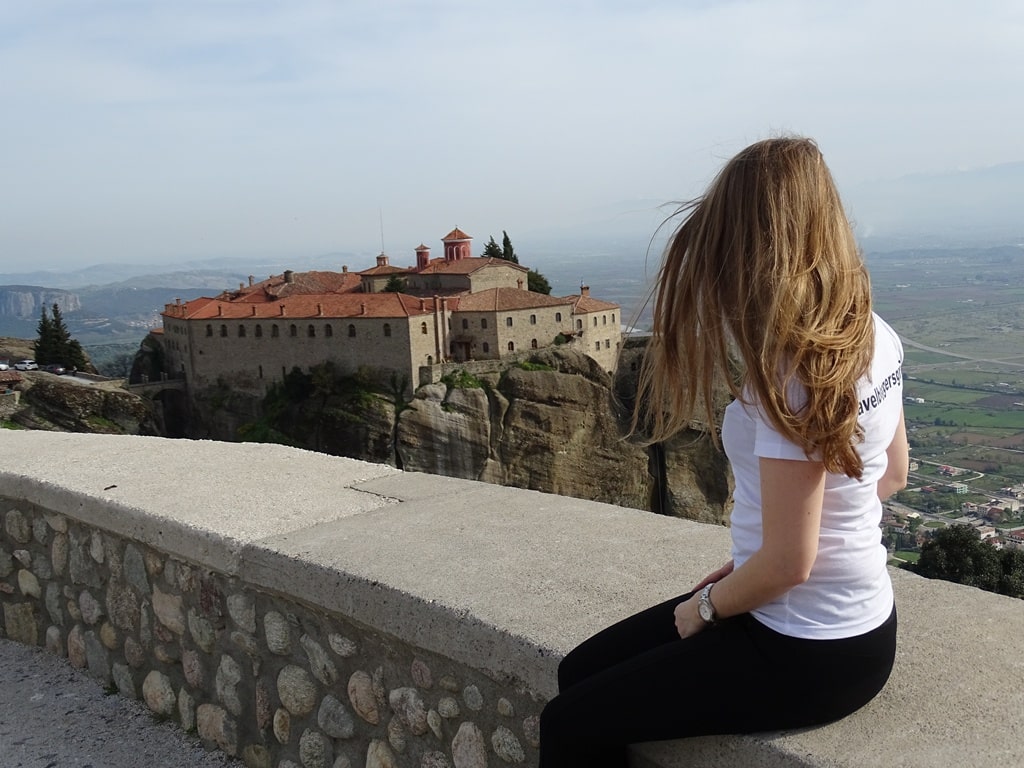
I always avoid sightseeing in July and August, unless it’s very early in the morning. Temperatures often reach 35–40°C, and even short walks around archaeological sites become uncomfortable.

Winter is also a surprisingly good time for culture-focused trips. From December to March, everything on the mainland stays open, hotels are cheaper, and the big museums are wonderfully quiet. You’ll need a jacket and an umbrella, but you’ll get to experience Greece without crowds, something I really love.
Best Time for Nightlife in Greece

If nightlife is high on your list, then July and August are when the Greek islands really come alive. Mykonos, Paros, Ios, and Skiathos are the top choices, with world-class DJs, beach parties that last until sunrise, and a buzzing atmosphere everywhere you go. It’s high season, so it’s busy and more expensive, but the energy is unbeatable.
If you prefer something more relaxed, the shoulder months, late June and early September, are perfect. The bars and beach clubs are still open, the music is great, and you avoid the peak-season crowds.

On the mainland, cities like Athens and Thessaloniki have strong nightlife all year round. Rooftop bars, wine bars, late-night restaurants, and live music venues stay open even in winter, so you don’t need to plan around the season.
When to Travel to Greece: Festivals & Local Celebrations

One of the things I love most about Greece is that no matter when you visit, something is happening somewhere — a feast, a festival, a parade, a name-day celebration, or a local tradition you’ve probably never heard of. Some are small and local, others are huge and bring entire towns to life.
Here are a few key celebrations worth knowing about when planning your trip:
Panigiria: Greece’s Most Authentic Summer Celebrations
If there’s one thing I always recommend to visitors, it’s experiencing a panigiri — a traditional village festival held in honour of a saint. These celebrations are the heart of Greek culture, and they’re one of my favourite things about travelling around the islands. Imagine long tables set up under the stars, locals cooking huge pots of food, live music that goes on until morning, and entire villages dancing together.
Panigiria happen all summer, but especially in July and August. Some of the most famous ones are on Ikaria (known for dancing until sunrise), Naxos, Amorgos, and Paros, but even the smallest villages in mainland Greece host their own celebrations. If you’re in Greece during these months and hear music drifting from a nearby square or church, follow it — you’ll end up in one of the most authentic experiences you can have here.
Carnival & Clean Monday – February/March
Carnival (Apokries) is celebrated everywhere with costumes, parties, and parades. The most famous is in Patras. Clean Monday marks the start of Lent — a big outdoor feast day, and in Galaxidi, they even have the famous flour-war.

Independence Day & Annunciation – 25 March
A national holiday with parades in every city and island.
Orthodox Easter – March/April (date varies)
Easter is the biggest celebration of the year in Greece and truly the best time to experience our traditions up close. The whole week leading up to Easter Sunday feels special, with candlelit processions, church bells, midnight fireworks, and families gathering for long meals.
Some places are especially famous for their Easter celebrations.
Corfu is the most iconic, with its philharmonic bands and the unique tradition of throwing clay pots (“botides”) from balconies on Holy Saturday.
Chios is known for the incredible rocket war in Vrontados, where two parishes exchange thousands of homemade rockets across the night sky.
Even in Athens, the atmosphere is beautiful, but if you’re here during Easter and can make it to one of these islands, it’s an unforgettable cultural experience.


Olympus Festival – July to August
A long-running cultural festival with theatre, dance, and concerts around Mount Olympus, amazing atmosphere if you’re nearby in summer.
Assumption of the Virgin (Panagia) – 15 August
The biggest summer holiday. The whole country celebrates, villages hold feasts that last all night, and ferries are at their busiest. A wonderful experience, just expect crowds.
Ochi Day – 28 October
A national holiday with parades, military marching bands, and festivities across Greece.
Whether you’re into religious traditions, open-air concerts, or just love joining local celebrations, these events add so much colour to a Greece trip. If you’re planning around one of them, book accommodation early, especially for Easter and mid-August.
Greece truly shines in every season, and the “best time to visit” depends on the kind of trip you want — lazy beach days, island-hopping adventures, quiet cultural escapes, or lively local festivals. No matter when you come, there’s always something beautiful waiting for you here. If you have questions about planning your trip or want personalized suggestions, feel free to leave a comment. I’m always happy to help you make the most of your time in Greece.