

If you are staying in Athens and want to explore beyond the city for a day, Corinth is one of the easiest and most rewarding places to visit. It is close enough for a comfortable day trip, yet filled with fascinating history, impressive ruins, and one of Greece’s greatest engineering achievements, the Corinth Canal.
I have done this trip several times, and it always feels special. Leaving Athens behind, the road takes you through olive groves and coastal views before the mountains of the Peloponnese rise ahead. It is a peaceful and scenic drive that feels like a short escape from the busy capital.
Whether you join an organised tour or travel on your own, Corinth perfectly combines mythology, history, and beautiful landscapes. In this guide, I will show you how to plan your day trip, what to see, and some personal tips to make your visit easier and more enjoyable.
Want to see what this day trip is really like?
Watch my video where I visit Ancient Corinth, Acrocorinth, and the Corinth Canal, sharing what to expect, travel tips, and my honest impressions from the tour.
Watch the full video on YouTube and subscribe for more Greece travel guides and local insights.
Disclosure: This post contains affiliate links. That means I may earn a small commission if you book through them — at no extra cost to you. Thank you for supporting Greece & Beyond and helping me keep this site going!
How to Get from Athens to Corinth
Getting to Corinth from Athens is easy, and you have two main options depending on how you like to travel.
Guided Tour
If you are planning a simple day trip from Athens, I highly recommend joining an organised tour. It is the most convenient and stress-free way to visit Corinth, especially if you prefer not to drive.
Most tours include pickup from central meeting points in Athens, a comfortable bus ride, and a knowledgeable guide who shares stories about the canal, Ancient Corinth, and Acrocorinth. You will visit all the main sites without worrying about transport or tickets.
This is the tour I joined myself, and it was very well organised from start to finish: From Athens: Ancient Corinth Day Trip with Canal.
Renting a Car
If you prefer more flexibility, you can rent a car and drive to Corinth. The drive takes about 1 hour and 15 minutes from Athens, depending on traffic. The route follows the highway toward Patras, passing through scenic countryside and views of the Saronic Gulf.
However, I only recommend renting a car if Corinth is part of a longer Peloponnese itinerary, for example, if you plan to continue to Nafplio, Epidaurus, or Mycenae. For a single-day round trip, joining a guided tour is much easier and more relaxing.
I recommend booking a car through Discover Cars, where you can compare all rental car agencies’ prices, and you can cancel or modify your booking for free. They also guarantee the best price. Click here for more information and to check the latest prices.
Best Places to Visit in Corinth
Corinth Canal
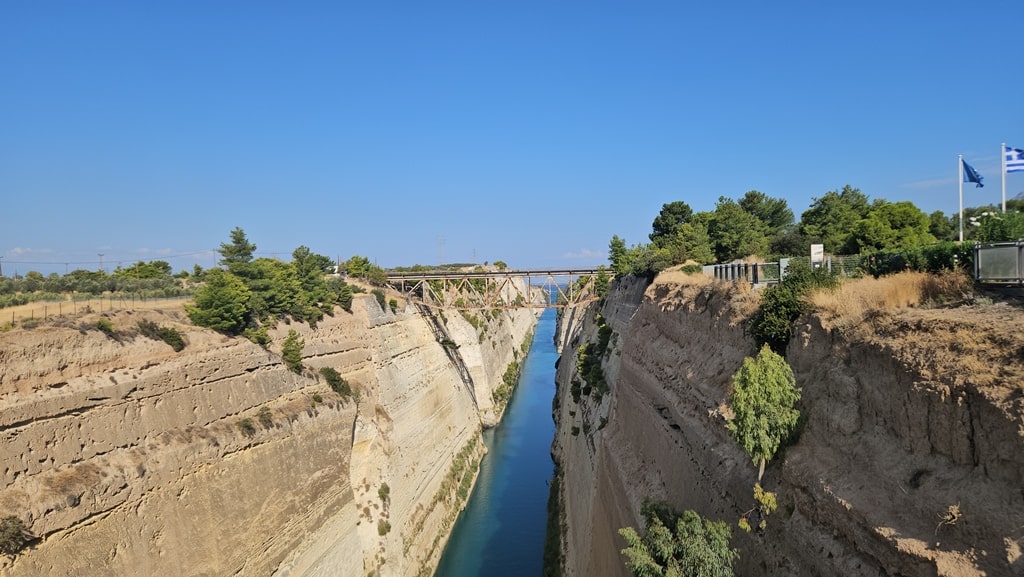
The first stop of most day trips to Corinth is the famous Corinth Canal. Even if you have seen photos before, seeing it in person is impressive. The canal connects the Aegean and Ionian Seas, cutting through a narrow strip of land that separates mainland Greece from the Peloponnese.
It is about six kilometres long and only twenty-three metres wide, with cliffs rising almost ninety metres on each side. Standing on the bridge and looking straight down is an incredible sight, especially when a small ship passes through the turquoise water far below.
The idea of building a canal to connect the Aegean and Ionian Seas goes back to antiquity. Several rulers dreamed of cutting through the narrow isthmus, and the Roman emperor Nero even began digging it in the first century AD, but the project was abandoned after his death.
In ancient times, instead of a canal, the Greeks used a paved roadway called the Diolkos. Ships were pulled overland on wooden rollers across the isthmus, saving them the long and dangerous journey around the Peloponnese. You can still see parts of the Diolkos near the canal today, a fascinating reminder of ancient Greek ingenuity.
Ancient Corinth
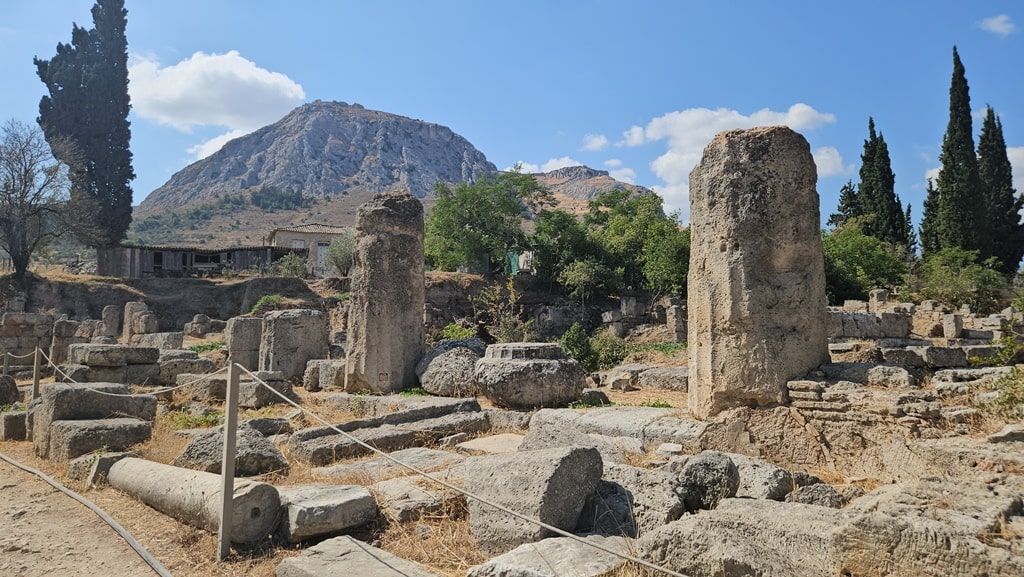
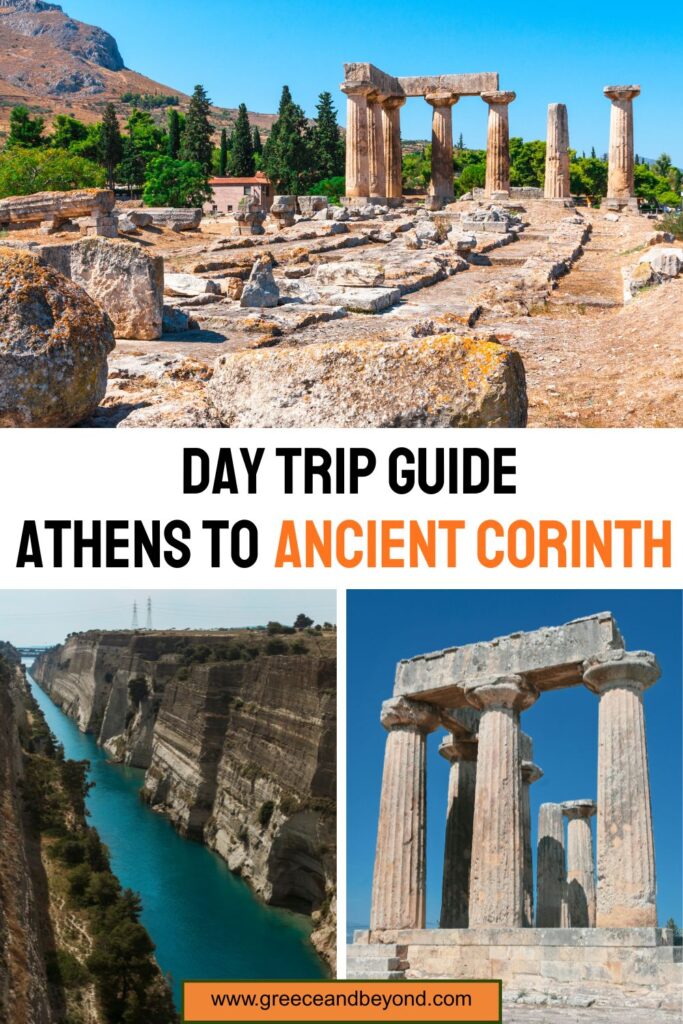
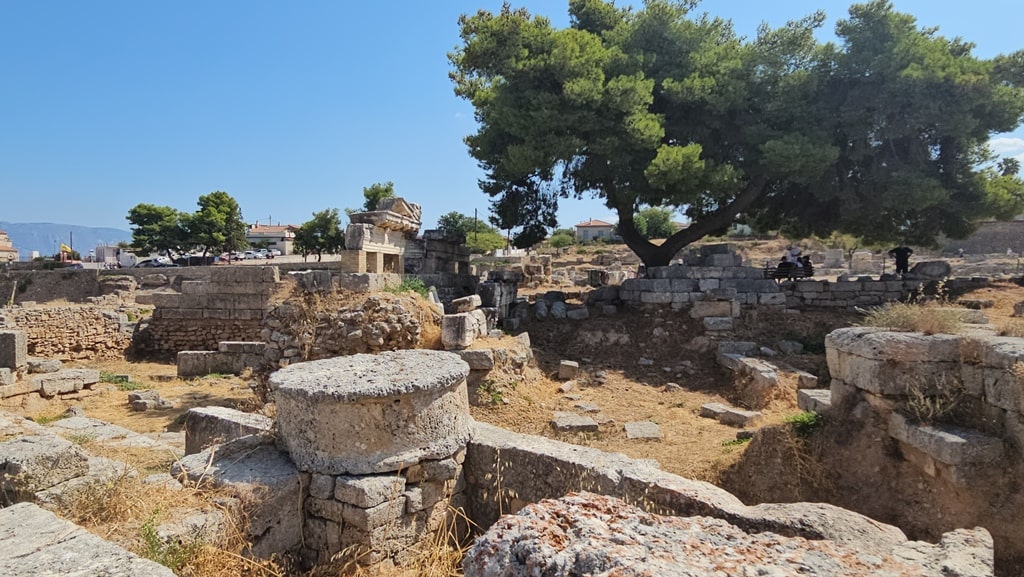
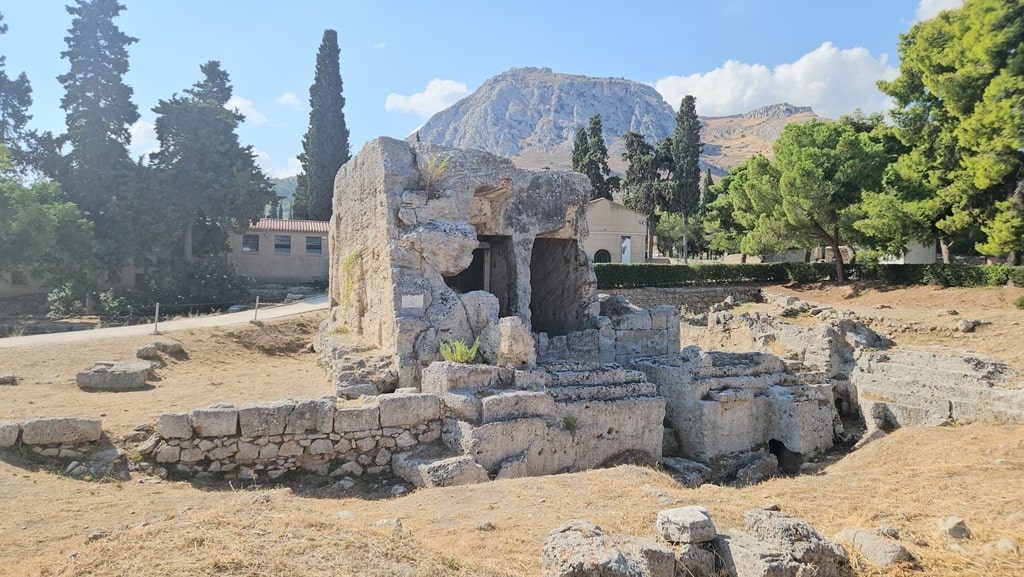
After a short drive from the canal, you’ll reach the archaeological site of Ancient Corinth, one of the most important and wealthiest cities of the ancient world. Walking through its ruins, it’s easy to imagine how powerful this city once was.
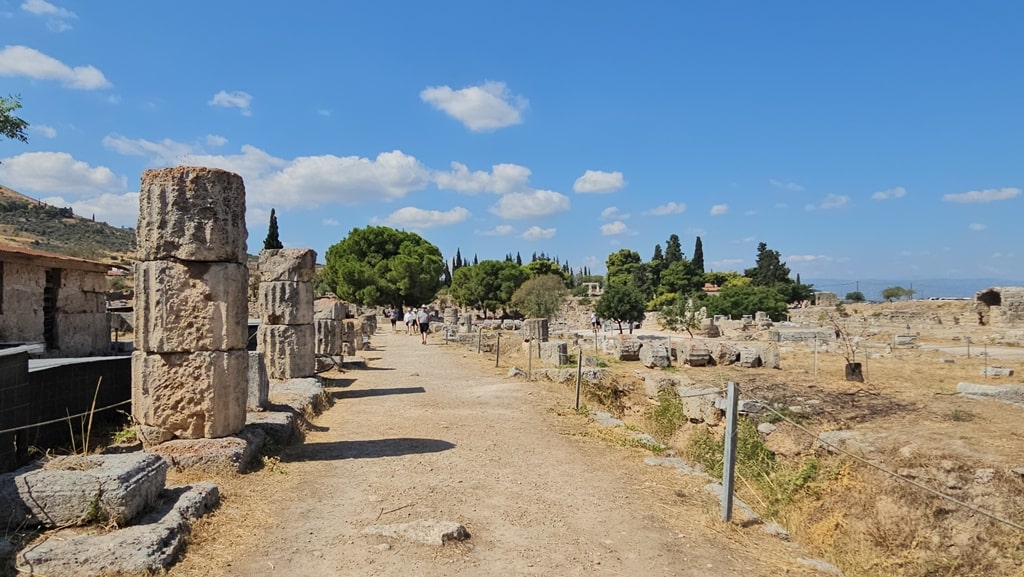
Corinth controlled trade between the Aegean and the Ionian Seas, which made it a major commercial and cultural centre. The site is large and open, surrounded by hills, with the imposing Temple of Apollo dominating the landscape. Built in the 6th century BC, this Doric temple is one of the few Greek monuments that survived when the Romans destroyed the city in 146 BC.
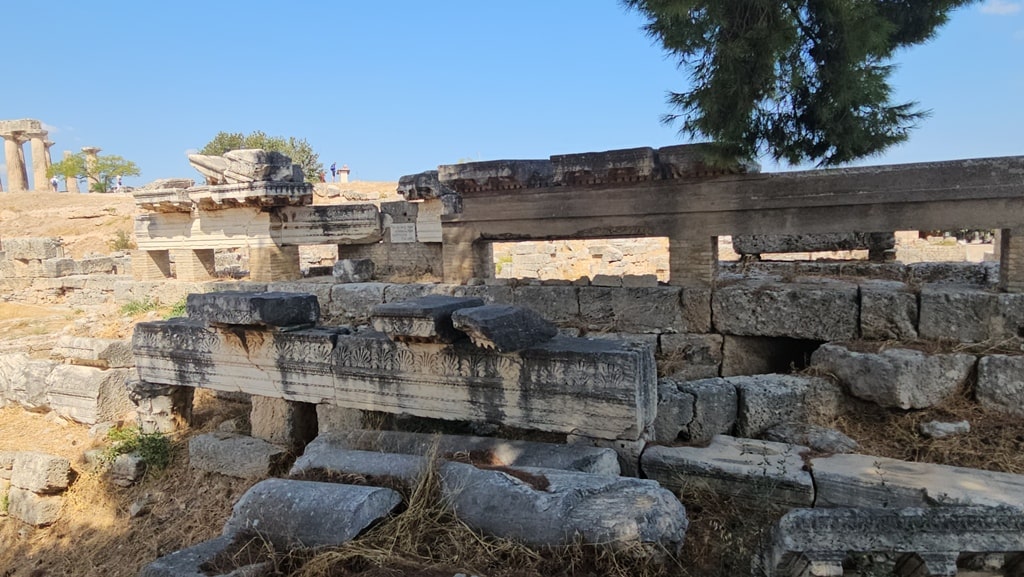
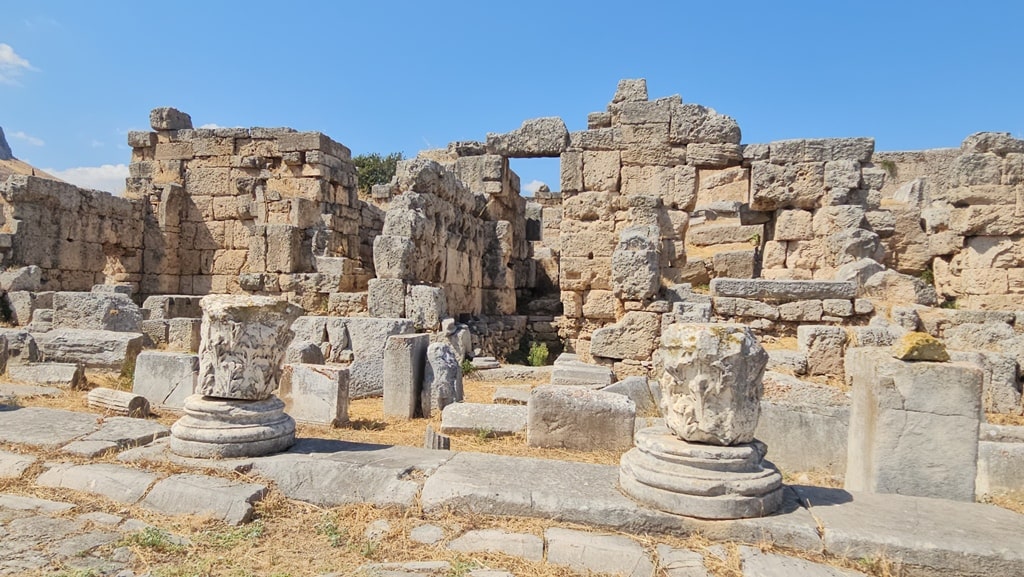
When they later rebuilt it as a Roman colony, Corinth became a lively mix of Greek and Roman architecture — you can still see remains of fountains, shops, and public baths that show how sophisticated the city was.
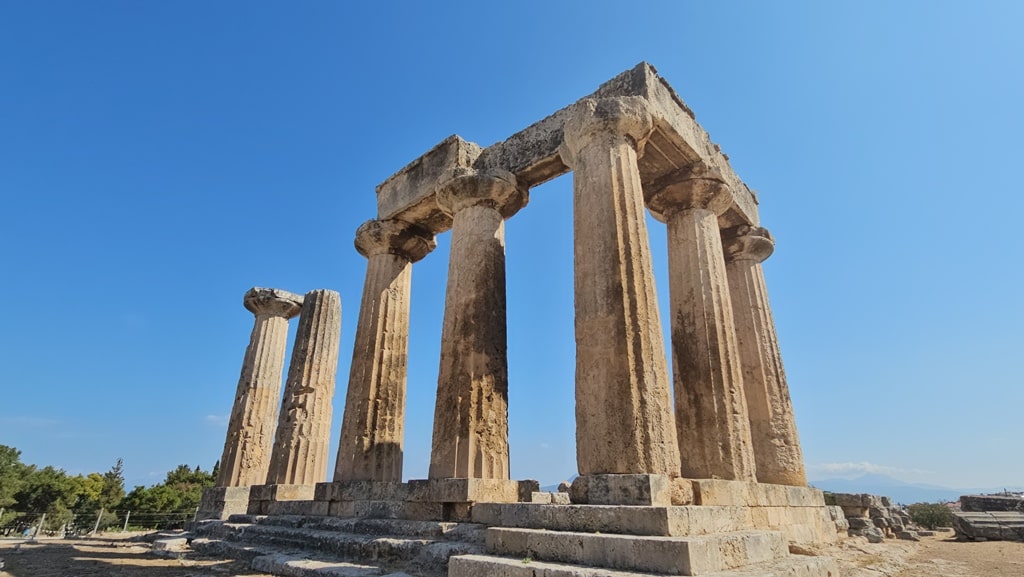
One of the most meaningful places to visit in Ancient Corinth is the Bema, a raised stone platform in the main square. This is where the Apostle Paul is believed to have stood when he preached to the Corinthians around 50 AD.
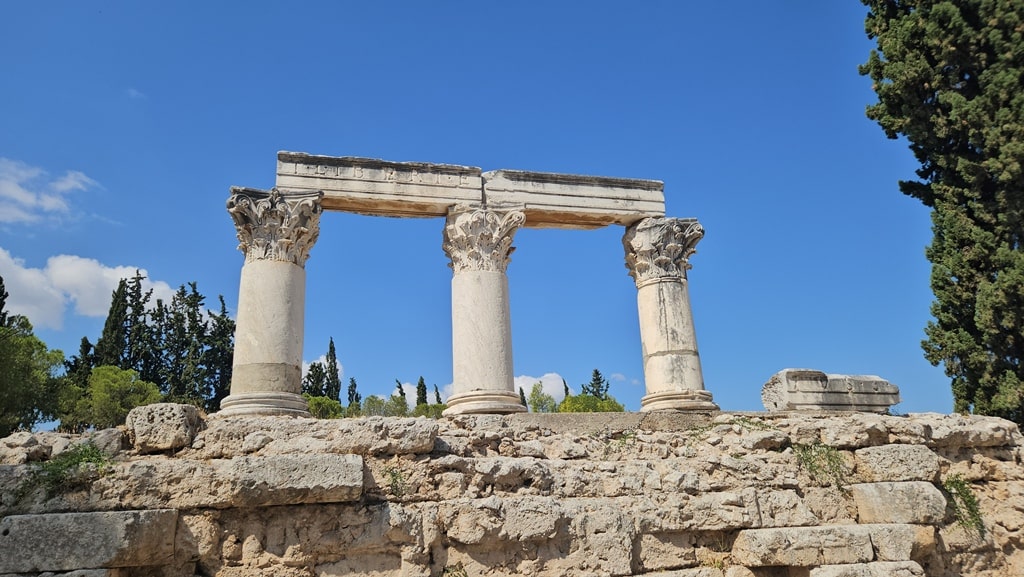
Paul spent about eighteen months living and teaching in Corinth during his second missionary journey, establishing one of the first Christian communities in Greece. During his time here, he faced both support and opposition, and he was even brought before the Roman governor Gallio. The governor’s decision to dismiss the charges against him helped protect the early Christian community in the region.
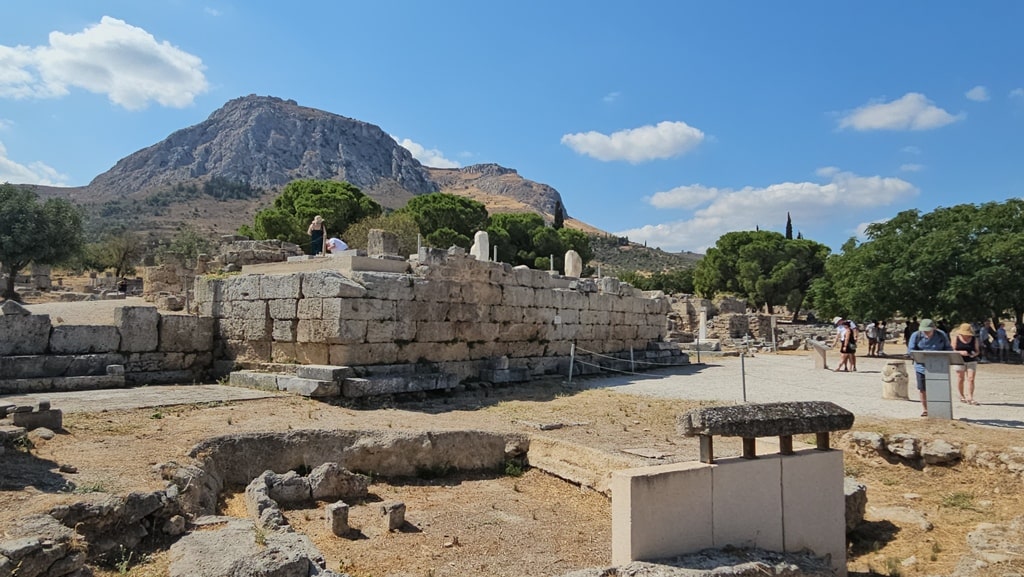
Later, while staying in Ephesus, Paul wrote two letters to the Corinthians, which are now part of the New Testament. In these letters, he addressed divisions within the community and offered guidance on faith and moral life. They remain among the most important texts of early Christianity.
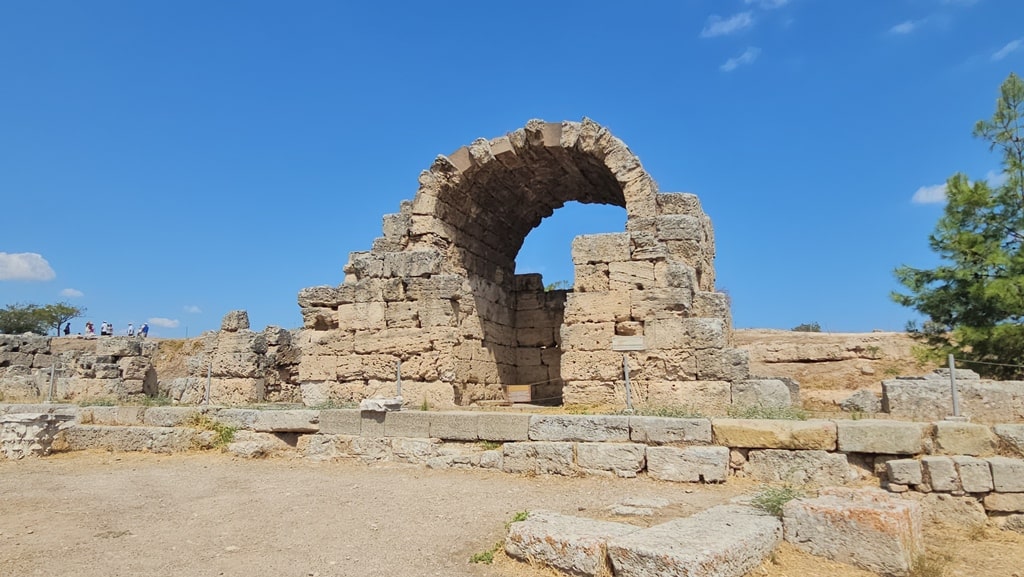
Don’t miss the Archaeological Museum of Corinth, which is included in the entrance ticket. It’s small but full of treasures, colourful mosaics, marble statues, pottery, and everyday objects that tell the story of life here across centuries.
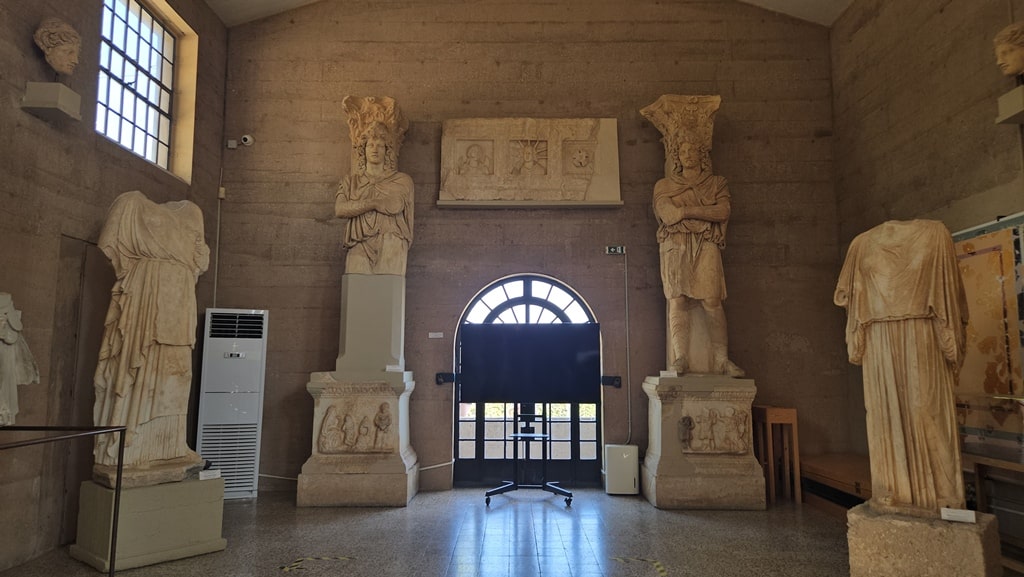
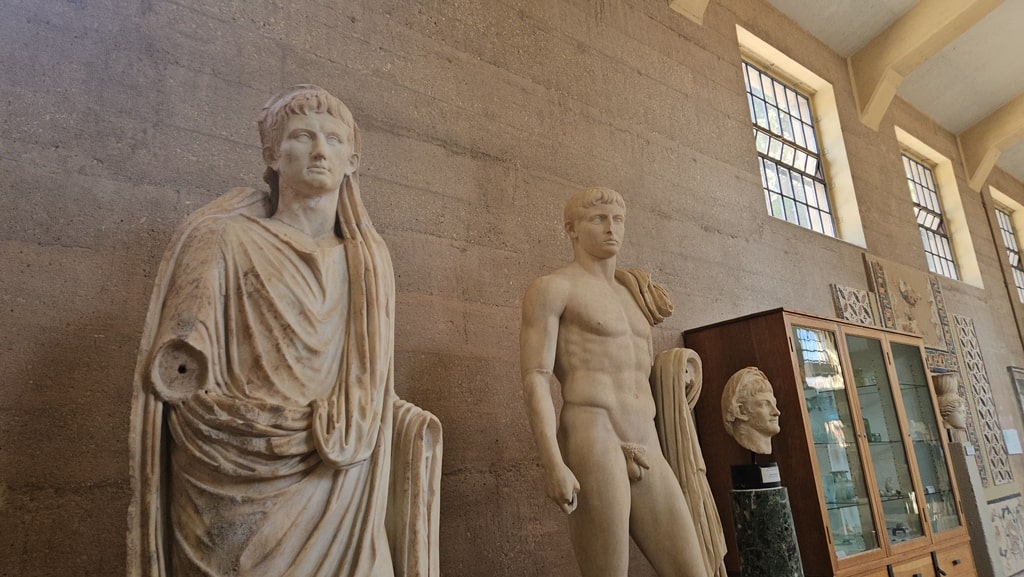
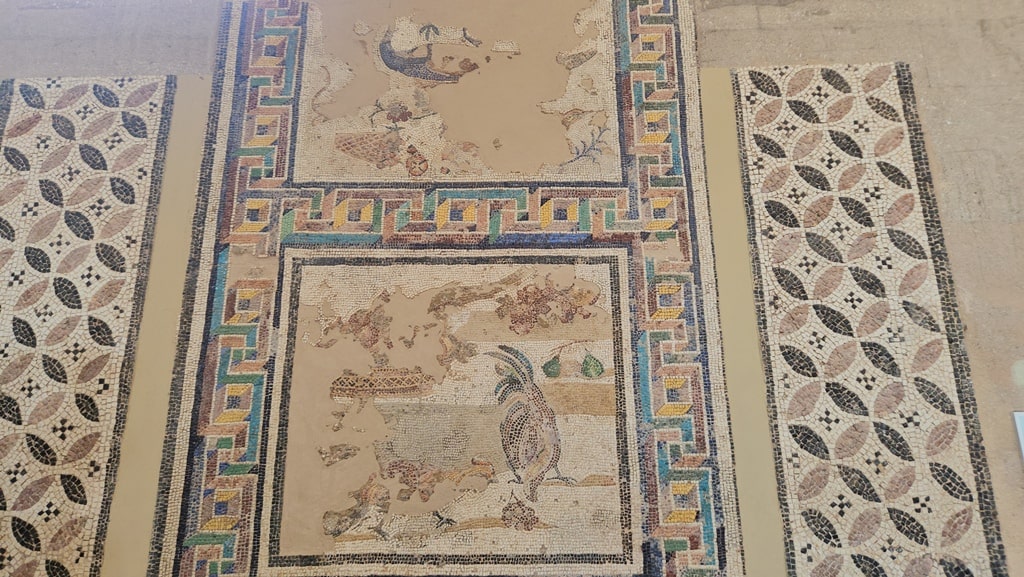
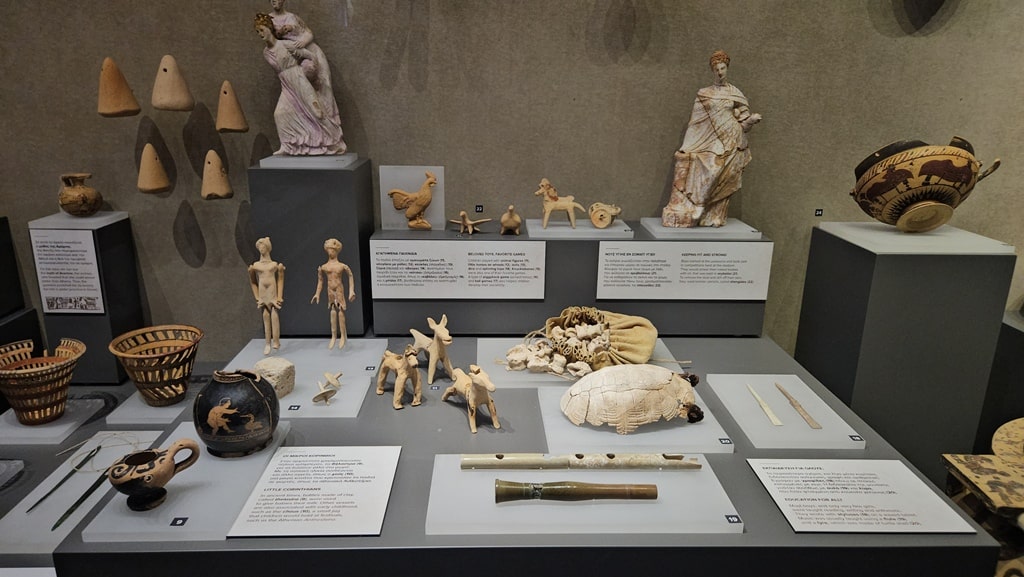
And just across the street from the main entrance, there’s the ancient theatre, free to visit and often quiet. It once held thousands of spectators for performances and festivals. Even though only parts remain, it’s an atmospheric place that many visitors overlook.
After exploring, it’s worth stopping for lunch in the nearby modern village, where you’ll find traditional tavernas serving local dishes and wines.
Practical information:
Entry ticket: €15 (includes the museum)
Allow at least two hours to explore the site comfortably.
Wear good walking shoes and bring water, as the area is quite spread out and sunny.
Acrocorinth
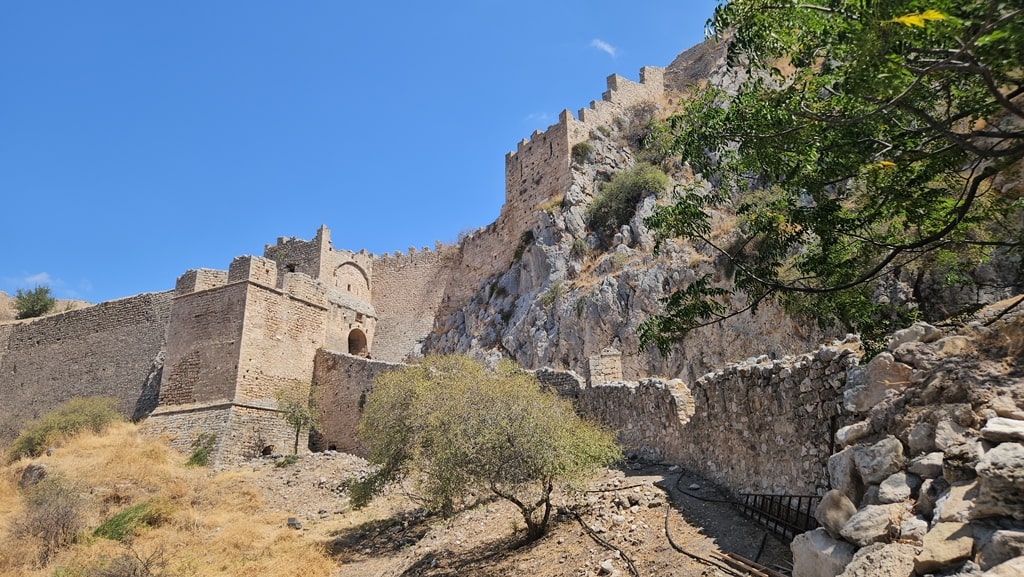
Most tours include a short stop at Acrocorinth, the impressive fortress that rises above the ancient city. It was continuously used from ancient Greece to Byzantine and Ottoman times, protecting the region for centuries.
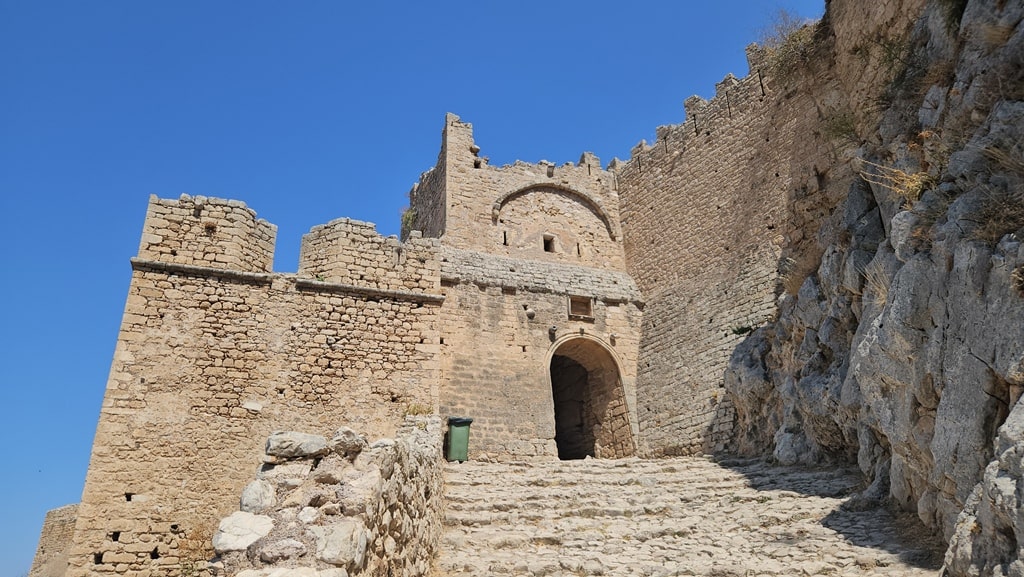
The climb to the top is steep but rewarding. From the walls, you can see both the Corinthian and Saronic Gulfs, as well as the surrounding hills of the Peloponnese. The views are truly breathtaking.
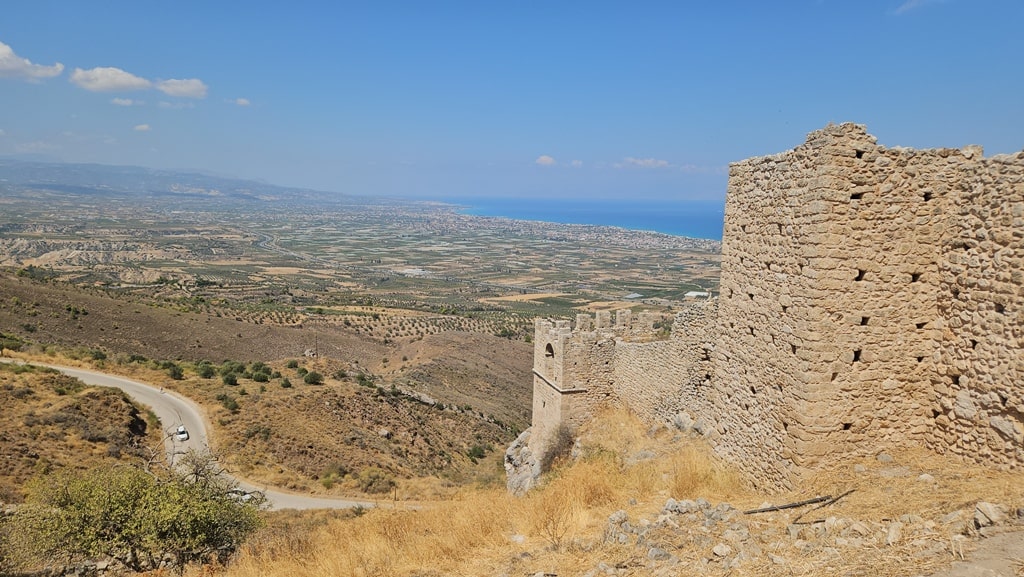
If you visit in summer, bring water and wear comfortable shoes, as the path can be uneven and slippery. Even a short visit here gives you a sense of Corinth’s importance and the power of its position overlooking the land and the sea.
Kechries Port
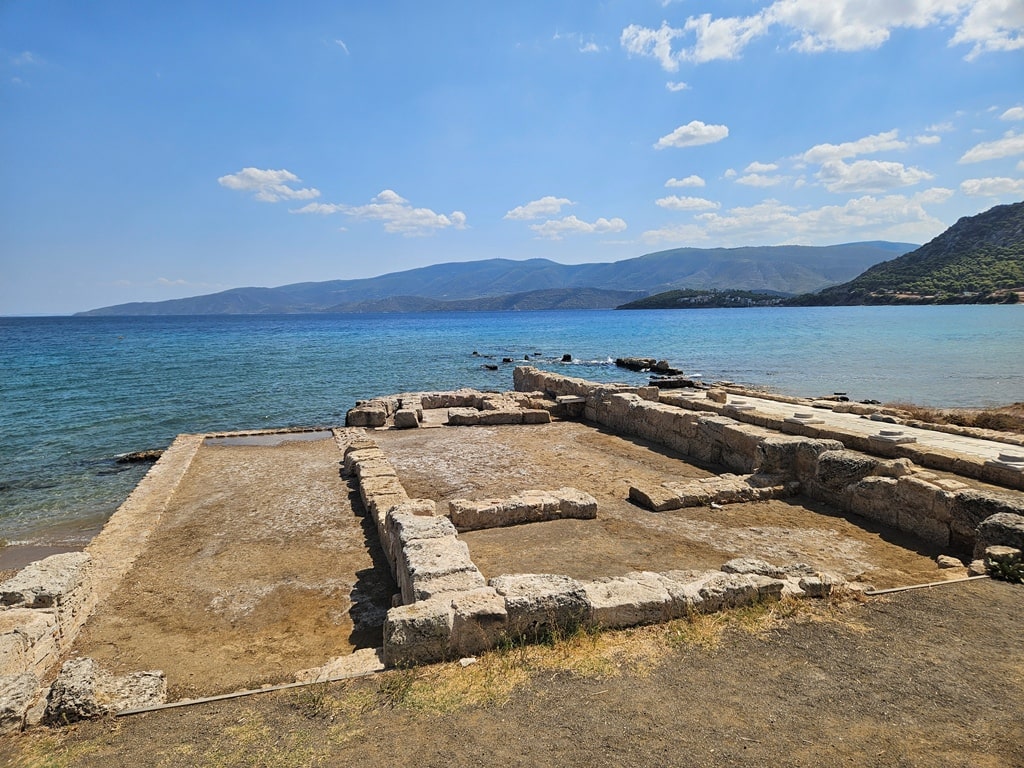
The final stop of the day is usually Kechries Port, the ancient harbor of Corinth on the Saronic Gulf. In antiquity, it was a lively trading port that connected the city with the eastern Mediterranean. Archaeologists have uncovered remains of docks, warehouses, and small sanctuaries dedicated to Poseidon and Isis.
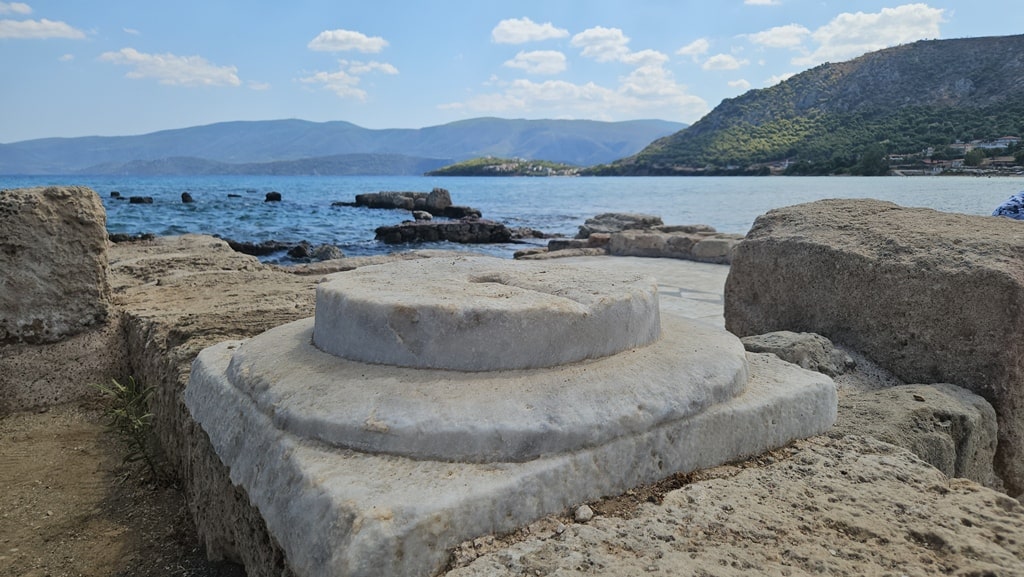
Kechries also holds special significance in Christian history. It is believed that the Apostle Paul departed from this port when he left Corinth for Ephesus during his missionary journeys. Standing here, looking out at the calm waters, it’s easy to picture the ships that once set sail carrying merchants, travelers, and new ideas across the sea.
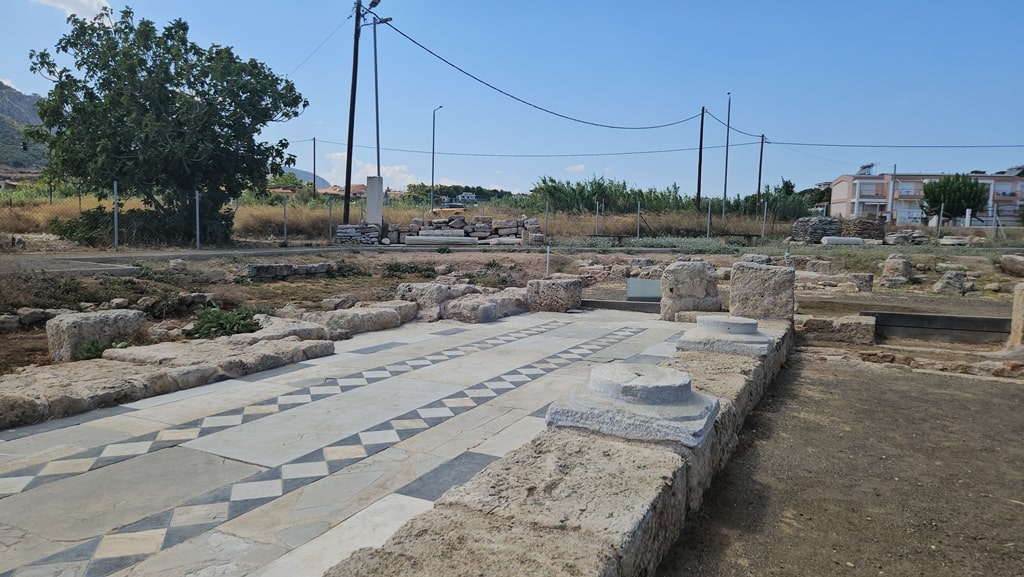
It’s a peaceful spot and a lovely way to end your day before returning to Athens.
A day trip to Corinth is one of the easiest and most rewarding escapes from Athens. It combines history, mythology, and incredible scenery all in one day. From the engineering marvel of the Corinth Canal to the ancient ruins and the peaceful views from Acrocorinth, it’s a trip that leaves a lasting impression.
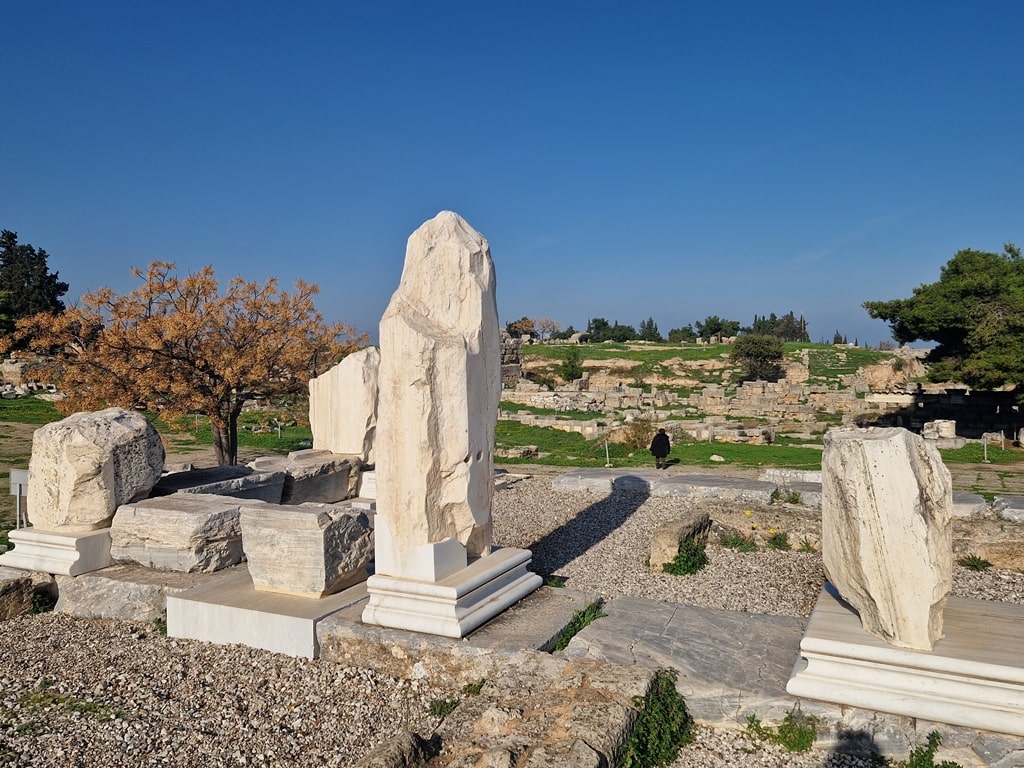
If you prefer not to drive, I recommend joining a guided tour. It’s comfortable, well-organized, and allows you to focus on the experience rather than the logistics. Corinth is a place where history truly comes to life, and even a single day here gives you a deeper understanding of Greece’s fascinating past.
Thanks.
We enjoyed the video and booked the tour using your link.
Cheers,
Dave & Val (Scotland)
Thank you very much! I hope you enjoy your tour!